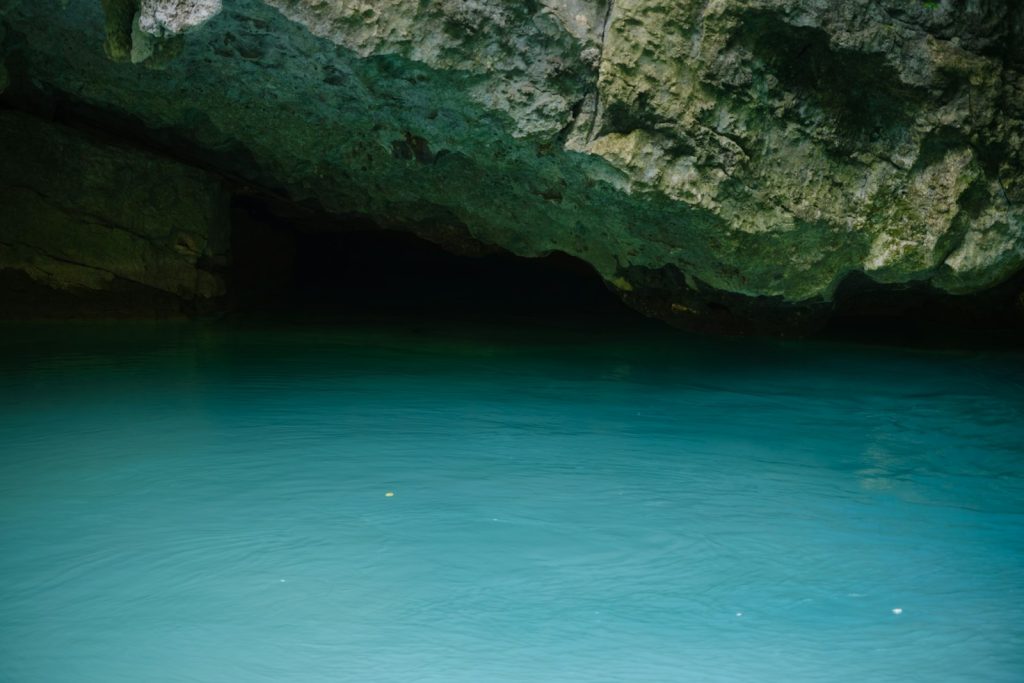
Batu Cermin Cave (goa Batu Cermin) is a short limestone cave system on the edge of Labuan Bajo best known for its “mirror” light beam effect. This easy half‑day stop is the closest proper nature excursion to town and one of the simplest ways to stretch your legs between flights and boat trips.
What exactly is Batu Cermin Cave?
Batu Cermin literally means “Mirror Rock” in Indonesian. Inside this fractured limestone hill, a narrow shaft in the rock lets a sharp slice of sun stab into the cave and bounce across the polished stone. On the right morning, the ceiling and walls glow as if they’ve been lit from inside – that’s what gives the site its “mirror cave Labuan Bajo” nickname.
A few key points up front:
- Local name
- Goa Batu Cermin (Batu Cermin Cave)
- Location
- Approx. 3–4 km east of downtown Labuan Bajo, Flores
- Driving time from town
- 10–15 minutes by car or motorbike, depending on traffic and roadworks
- Driving time from Komodo Airport (LBJ)
- 10–15 minutes, often slightly faster than from the harbourfront
- Visit duration
- 30–60 minutes inside the cave + 10–20 minutes walking the paths
- Best time
- Dry season mornings, roughly 8:30–11:00, for the brightest light effect
- Activity level
- Light to moderate: short walks, some low ceilings, a few slightly slippery sections
- Who it suits
- Most ages; not ideal for those with serious mobility issues or severe claustrophobia
Batu Cermin is not a giant underground system like in karst regions of Java or Vietnam. Think of it as an accessible limestone outcrop with a compact cave, a short forested loop, and a local heritage feel. Good for a slow start or final day in Labuan Bajo.
Where is Batu Cermin Cave and how do you get there?
Distance from Labuan Bajo town and airport
The cave sits just inland from the main harbour strip, behind low hills that frame Labuan Bajo. Distances are short:
– From the main harbourfront / central guesthouse area: around 3–4 km
– From Komodo Airport (LBJ): also roughly 3–4 km, in the opposite direction
Drive times:
– By car or motorbike taxi: usually 10–15 minutes
– By bicycle: roughly 20–30 minutes (hot and hilly in parts)
– On foot: technically possible (a bit over an hour), but you’d be walking in heat and traffic for chunks of it
Road access has improved over the years. You’ll still pass a mix of local houses, small shops, and patches of scrubby forest.
Transport options
You have a few realistic ways to reach goa Batu Cermin from town:
– **Motorbike rental**
– Good if you’re already riding around Flores.
– Access road is paved; last section is narrower but straightforward in the dry.
– Wear a helmet, avoid heavy rain periods – some patches can get slick.
– **Ojek / motorbike taxi**
– Easy to arrange via local apps or your guesthouse.
– Agree the return time and total fare before you set off.
– **Car charter / local driver**
– Best if you’re pairing Batu Cermin with Rangko Cave, a sunset hill, or airport pick‑up / drop‑off.
– Ask for a half‑day rate rather than one‑way pricing so you’re not rushed.
– **Organised half‑day tour**
– Often bundled with other nearby stops: local markets, viewpoints, or village visits.
– More structure, less flexibility – but easy if you don’t want to think about logistics.
If you want help combining the cave with a boat day or land loop, use our free WhatsApp planning via plan your trip. Share flight times and what you like (and don’t like) and we’ll sketch realistic sequences.
How the mirror-light effect works – and when to see it
The “mirror” in Mirror Cave Labuan Bajo
The signature light effect inside Batu Cermin Cave happens thanks to three things:
1. **A small opening high in the rock** that lets in a narrow column of sunlight.
2. **Polished limestone walls and patches of calcite** that reflect and scatter that beam.
3. **The sun’s angle** at certain times of day and year, so the beam falls just right.
On a good day, the beam cuts through the dim interior and lights up a sloping section of wall and ceiling. The rock looks almost metallic in parts; dust motes hang in the air; visitors crowd around for photos. It’s short – you might get 15–30 minutes of the strongest effect – but it’s distinctive.
Best time of day for Batu Cermin’s light effect
Because the sun’s angle changes through the year, the “perfect” timing shifts slightly. But the pattern on the ground is simple:
– **Target window:** roughly **8:30–11:00 in the morning**
– **Stronger reflections:** closer to the middle of that window in dry season months
– **Weaker / more diffuse light:** early afternoon or overcast days
Late afternoon visits are still interesting for the cave itself, the vegetation, and the short walks, but the beam will usually have shifted or softened. If the mirror effect is a priority, go in the morning and build your day around that.
Seasonal effects
– **Dry season (roughly May–October)**
– More reliable clear mornings and defined light beams.
– Paths are drier and less slick inside and outside the cave.
– **Transition and wet months (roughly November–April)**
– You can still see the cave; the beam can appear between clouds.
– Expect more humidity and condensation on the rocks; some patches get slippery.
– Afternoon rain is common on some days; plan earlier if possible.
Weather is weather – no one can guarantee a specific beam on a specific morning – but if you spend a few days in Labuan Bajo, you can often choose the clearest morning to slot Batu Cermin in.
What the visit actually involves
Arrival and entrance area
At the end of the access road you’ll find:
– A small gate / ticket counter area
– Space to park cars and motorbikes
– Simple local kiosks at busy times (drinks, snacks)
– Basic toilet facilities (bring tissues and hand sanitizer)
The cave sits inside a small protected area with trees and low limestone cliffs. This isn’t a polished “theme park” cave; it feels like a local site that has slowly built more paths and rails over time.
Entrance fee and guiding (last verified June 2026)
Exact ticket and guiding arrangements can shift slightly as local regulations change, but generally you can expect:
– **Entrance fee:** commonly quoted in the range of **IDR 20,000–50,000 per person**
– **Optional local guide contribution or guiding fee:** often a **similar modest range per group or per person**
Sometimes a guide is effectively included; other times there’s a clear “guide” supplement. In practice, most visitors go in with a local guide – they carry lights, point out details you’d miss, and help manage small bottlenecks.
Bring small notes (IDR 10k / 20k) in cash; card payments are not standard here.
Paths, walkways, and cave interior
Once you’ve paid your entrance and sorted a guide:
1. **Short walk through the trees**
– Flat or gently sloping paths.
– Mixed shade and sun.
– You’ll see the limestone hill looming above you.
2. **Entrance area to the cave**
– Basic steps and some railings.
– The cave mouth is not vast; light fades quickly.
3. **Inside Batu Cermin Cave**
– The ground is mostly rock with some installed boards or planks in tighter spots.
– Headroom drops in a few sections; expect to duck.
– In wetter months, surfaces can be damp or slick – move deliberately.
– Your guide will use a torch to highlight formations and fossils.
4. **Viewing the mirror-light beam**
– Your guide will usually time your arrival for the beam window if you’ve come in the morning.
– Expect some waiting as people take turns in the best photo spot.
– Don’t rush; let your eyes adapt – the effect looks stronger after a minute or two.
5. **Optional loop and exit**
– Some routes make a short loop; others take you back the same way.
– Outside again, you can walk short side paths to viewpoints on the rocks.
Plan for **30–60 minutes** total inside and around the cave, not including drive time. If you’re a photographer or curious about fossils and geology, you might stretch slightly longer.
What kind of cave is this – and what will you see?
Batu Cermin is a karst limestone cave, part of a broader belt of uplifted coral limestone and sedimentary rock along this coast. Look out for:
– **Limestone formations** – small stalactites, knobs, and flowstone.
– **Marine fossils** – your guide may point out embedded shells and coral traces that hint at the rock’s underwater origins.
– **Bats and cave fauna** – small bat colonies roost in darker chambers; you may spot insects adapted to the dim environment.
– **Roots and cracks** – tree roots snake into the cave through fissures overhead, framing the main beam.
Don’t expect vast chambers or dramatic underground rivers. Batu Cermin is about texture, light, and the sense of stepping briefly out of tropical sun into cool limestone shadow.
Who is Batu Cermin Cave good for – and who should skip it?
Great match
Batu Cermin tends to work well if you:
– Have a **half‑day free in Labuan Bajo** before or after a Komodo boat trip.
– Prefer **short, easy nature walks** over intense hikes.
– Travel with **kids or mixed‑ability groups** and need something low‑commitment.
– Enjoy **geology or light photography** in tight spaces.
Think twice or prepare more
Batu Cermin might be less comfortable if you:
– Have **severe claustrophobia** – some sections are narrow with low ceilings.
– Have **significant mobility issues** or balance problems – there are steps, rocks, and potentially slippery patches.
– Are extremely sensitive to **bats or confined wildlife**.
If you’re unsure, you could:
– Walk to the entrance and first, higher‑ceiling areas only.
– Let one person from your group go ahead with the guide and report back.
Your safety and comfort matter more than ticking off a sight.
What to wear and bring
You don’t need special gear for goa Batu Cermin, but small choices make the visit smoother.
Clothing
– Lightweight, breathable clothes – it’s humid inside and hot outside.
– Shorts or lightweight long pants both work; long pants protect knees if you bump or kneel.
– A light top you don’t mind getting a bit dusty.
Footwear
– Closed shoes with grip are best: trainers, trail shoes, or solid sandals with secure straps.
– Avoid loose flip‑flops – they slip on damp rock and make ducking awkward.
Useful extras
– **Small torch / headlamp** – your guide should have one, but a backup helps you see where you place your feet.
– **Drinking water** – especially in dry season; you’ll sweat, even on short walks.
– **Tissues and hand sanitizer** – for bathrooms at the entrance.
– **Camera or phone with good low‑light capability** – the beam isn’t always bright enough for easy auto shots.
– **Small daypack** – to keep hands free when ducking or using railings.
You generally won’t need helmets or technical cave gear; Batu Cermin is geared to casual visitors, not speleology.
Pairing Batu Cermin with Rangko Cave and a sunset hill
Batu Cermin comes alive on an itinerary when you connect it to a half‑day sequence. Two natural partners: **Rangko Cave** and a **sunset viewpoint**.
Batu Cermin vs Rangko Cave – how they compare
Rangko is the other “cave” that shows up constantly in Labuan Bajo plans. The two complement each other well but are quite different:
| Feature | Batu Cermin Cave | Rangko Cave |
|---|---|---|
| Main draw | Mirror light beam on limestone walls | Swimmable saltwater pool in a sea cave |
| Access from Labuan Bajo | 10–15 min drive by road | Road + short boat ride from a village jetty |
| Time needed on site | 30–60 minutes | 1–2 hours (including swim) |
| Best time of day | Morning for light beam | Late morning to early afternoon for warm pool and light |
| Activity level | Light walking, some ducking | Short climb and swim; moderate if you go in the water |
| Good for | Short, easy land outing; geology interest | Swimming, photos, cooler midday alternative to town |
Because they sit in different directions out of Labuan Bajo, you typically use a vehicle for both and have your driver wait.
Classic half‑day combo: Batu Cermin + Rangko + sunset hill
If you have a free day on either side of your Komodo boat trip, a realistic land‑based sequence looks like this:
1. **Morning – Batu Cermin Cave**
– Aim to arrive between 8:30–9:30.
– Spend up to an hour with the light beam and loop walk.
2. **Late morning / early afternoon – Rangko Cave**
– Drive out toward the village, transfer to a small boat, and head to the sea cave.
– Swim, float, and cool off in the natural pool.
– Watch your step on the rocks entering and exiting the water.
3. **Late afternoon – sunset hill back near Labuan Bajo**
– Return to town with enough time to reach a viewpoint before sunset.
– Chill with views over Komodo National Park’s outer islands while boat lights blink on below.
Which sunset hill depends on your energy and where you’re staying, but typically involves a short drive and brief walk up. The idea is to end the day above the water you’ll be crossing (or just crossed) by boat.
If that sequence sounds like a lot of moving parts, send your dates and preferences via WhatsApp through plan your trip. We can map travel times against your flights and boat schedule so you’re not sprinting from cave to airport.
Slotting Batu Cermin into your wider Labuan Bajo plan
Great moments to visit
Batu Cermin tends to slot in naturally at three points of a typical Labuan Bajo trip:
– **Arrival day (mid‑morning to early afternoon flight)**
– Check into your place, drop luggage.
– Head to Batu Cermin for a walk, then sunset on a nearby hill.
– Early night before a Komodo trip.
– **Spare day between boat trips or after Flores overland**
– Use the morning for Batu Cermin, the afternoon for Rangko or a village visit.
– Keep it gentle; you’ve likely done a lot of islands or road already.
– **Departure day with a late‑afternoon or evening flight**
– Pack, store luggage.
– Morning visit to Batu Cermin.
– Lunch in town, then airport.
Because the cave is so close to both town and the airport, it’s one of the few nature stops that feels “safe” to add on a day with flights – as long as you keep margins reasonable.
How much time to allow overall
From a downtown guesthouse:
– Drive to Batu Cermin: **10–15 minutes**
– Ticketing and getting organised: **10–15 minutes**
– Cave and short walks: **30–60 minutes**
– Drive back: **10–15 minutes**
Total: **roughly 1.5–2 hours door to door** if you keep it smooth and simple.
Add buffer if you:
– Travel with kids or large groups.
– Love photography and might want to wait for specific light.
– Combine it with an onward move (like straight to the airport or ferry).
Local etiquette and environmental care
Places like Batu Cermin balance local livelihoods with conservation. A few habits help keep the site enjoyable:
– **Stick to marked paths** – both inside the cave and on outside trails.
– **Avoid touching delicate formations** – skin oils build up and damage fragile surfaces.
– **Keep noise moderate** – bats and other cave fauna are stressed by loud shouts.
– **Pack out all rubbish** – especially plastic bottles and snack wrappers.
– **Respect guide directions** – they juggle visitor safety, timing, and protection of the cave.
If you enjoy the visit, tipping your guide modestly in cash is appreciated, especially if they took time to explain geology, local history, or helped with photos.
Is Batu Cermin Cave “worth it” compared to the islands?
Batu Cermin is not trying to compete with Komodo dragons on Rinca or manta rays in the park’s channels. It’s a different category:
– A **short, land‑based pause** from boats, swell, and salt.
– A bit of **geology and history** grounded in Flores itself.
– A convenient way to use those awkward half‑days around flights.
If your time in Labuan Bajo is extremely tight – say, one full day plus two half‑days – your priority might be purely the national park. But as soon as you have more breathing room, Batu Cermin and Rangko are two of the simplest ways to see that Flores is more than just a marina for Komodo.
—
For tailored suggestions on how Batu Cermin fits your specific dates, boat bookings, and flight timings, you can use our WhatsApp‑based advice via plan your trip. Share your rough plan; we’ll flag what’s realistic and what’s wishful thinking.
FAQs: Batu Cermin (Mirror Cave) Labuan Bajo
How long do I need at Batu Cermin Cave?
Most visitors spend about 30–60 minutes at Batu Cermin Cave itself, plus 10–15 minutes each way for the drive from town. Allow 1.5–2 hours door to door so you’re not rushed and can wait a few minutes for the mirror-light beam if you visit in the morning.
Is a guide mandatory at Batu Cermin Cave?
Local guides are typically either strongly encouraged or effectively mandatory, depending on how the ticketing is organised at the time you visit. In practice, going in with a guide is safer and more informative: they manage torches, show the best place to see the light effect, and help groups move efficiently through narrow sections.
What is the best time to see the mirror effect inside Batu Cermin?
The mirror-light effect is usually strongest in the morning, roughly between 8:30 and 11:00, when the sun’s angle lets a strong beam enter and bounce off the cave walls. Outside that window the light can be weaker or fall differently, so mornings in the drier months tend to give the most reliable experience.
Can children and older travellers visit Batu Cermin Cave?
Yes, many families and older travellers visit Batu Cermin. The walk is short, and the cave sections are compact. However, there are steps, low ceilings in parts, and occasionally slippery rock, so it may not be suitable for those with serious mobility issues or balance problems. Move slowly and stay close to the guide.
Can I combine Batu Cermin Cave with Rangko Cave in one day?
Yes. A common land-based day from Labuan Bajo is morning at Batu Cermin Cave and late morning to afternoon at Rangko Cave, finishing with a sunset hill near town. You’ll need road transport plus a short boat ride for Rangko. With an early start, it’s a relaxed full day without being overpacked.