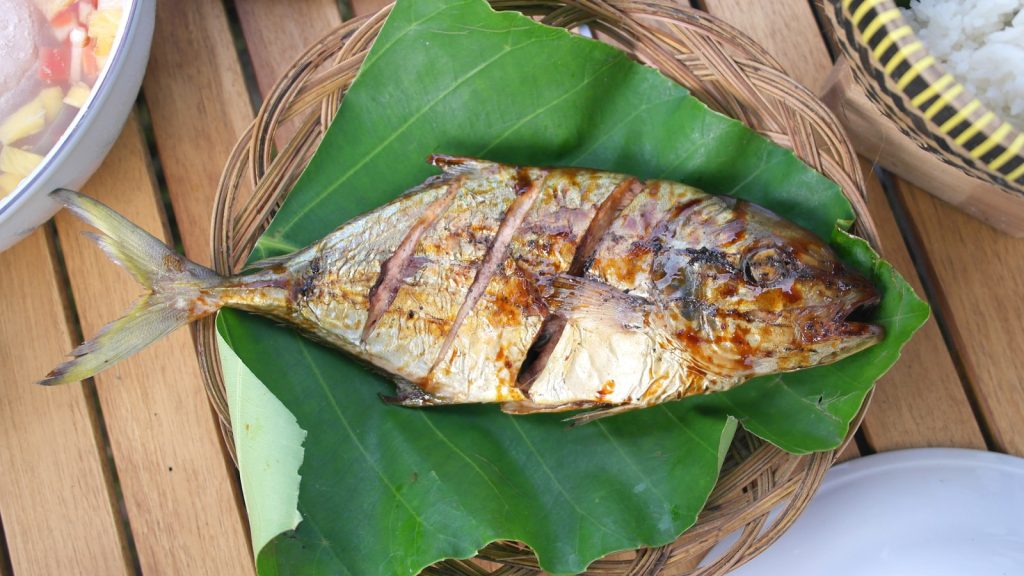
Where to eat in Labuan Bajo is mostly a question of what area you sleep in and how much time you spend on land versus on the boat. The town is compact, but the food scene splits clearly into three zones: waterfront, night market and uphill town.
Quick overview: how Labuan Bajo food works
Labuan Bajo used to be a simple fishing village. Today it’s the jumping-off point for Komodo National Park, and the food scene reflects that mix of local port and global gateway.
You’ll find three main types of places to eat in Labuan Bajo:
- Simple local warung (Indonesian family eateries)
- Seafood grills and casual places aimed at travellers
- More polished, often foreign-owned restaurants with broader menus
The catch: the town is small, hills are steep, and pavements are narrow. So choosing your base (harbour, mid-hill, or upper town) matters for where you actually end up eating.
Food prices shift fast with fuel and supply costs, but here’s a rough guide (last verified June 2026):
- Local warung meal
- Rp 20,000–50,000 per person (rice, veg, tempe/tofu, simple chicken or fish)
- Simple seafood grill (per person)
- Rp 60,000–150,000 depending on fish type and size
- Mid-range sit-down restaurant
- Rp 100,000–220,000 per person, excluding alcohol
- Coffee / fresh juice
- Rp 20,000–45,000
- Beer
- Rp 35,000–80,000 depending on size and venue
Area 1: Waterfront – harbour, main street and sea views
If you’re walking along the main road that faces the sea and the harbour, you’re in the waterfront zone. This is usually the first place people meet Labuan Bajo food.
What the waterfront feels like
The waterfront runs parallel to the harbour where liveaboards and day boats anchor for Komodo trips. Traffic can be heavy; views are wide open. You’ll see:
- Boats lined up in the bay
- Tour desks and dive shops on the street side
- Restaurants and cafés stacked to catch the sunset
Food here leans international. Menus are built as much for people coming off the boat from Padar as they are for locals grabbing a quick plate of fried rice.
Types of food on the waterfront
Expect a mix rather than a single style. Common themes:
- Indonesian basics: Nasi goreng, mie goreng, soto, ayam goreng, cap cay, gado-gado.
- Seafood: Grilled fish, calamari, prawn dishes, often with rice and sambal.
- “Western” comfort: Burgers, pasta, simple steaks, sandwiches, salads.
- Breakfast-friendly: Eggs, toast, pancakes, smoothie bowls in cafés that cater to divers and early departures.
- Coffee & cakes: Several spots with espresso machines and pastries.
Seafood is not always cheaper at the waterfront than up in town; you’re paying partly for the view and convenience. But the fish generally comes in same day off local boats.
Who the waterfront suits
- Families: Good if you want wide menus where kids can get fries or plain grilled chicken while adults eat fish or Indonesian food.
- Couples: Easy sunset dinners with a beer or cocktail, no need to walk far in the dark.
- Solo travellers: Lively enough to not feel awkward eating alone; lots of other people in transit.
The downside: this is the most touristic strip. More noise, higher prices, and menus look similar from place to place.
Waterfront vs. elsewhere: quick comparison
| Area | Vibe | Typical price (main dish) | Best for | Downsides |
|---|---|---|---|---|
| Waterfront | Lively, sea views, tourist-heavy | Rp 60,000–150,000 | Sunset, convenience, mixed groups | Noisy, pricier than town |
| Night market | Local, smoky grills, informal | Rp 30,000–100,000 | Seafood, budget, casual | Limited veg options, basic seating |
| Upper town | Quieter streets, more local | Rp 20,000–80,000 | Everyday meals, local food | Less English, uphill walk |
Budgeting for waterfront meals
For the waterfront area (last verified June 2026):
- Breakfast: Rp 40,000–90,000 (coffee + eggs or bowl).
- Lunch: Rp 60,000–130,000 for a main + drink.
- Dinner: Rp 80,000–200,000 per person depending on seafood and drinks.
Alcohol can double your bill quickly. Many restaurants add a 10% government tax and sometimes a service charge; it should be printed on the menu.
If you’re planning a combo of land time and Komodo boat days and want to match your accommodation with the food scene you like, we can help you sketch a realistic plan on WhatsApp – start here: plan your trip.
Area 2: Labuan Bajo night market – seafood and street food
Ask locals for places to eat Labuan Bajo-style, and they’ll point you towards the night market area near the harbour. This is where grilled fish meets plastic stools and smoky air.
What to expect at the night market
The “night market” here isn’t a huge maze like in bigger Indonesian cities. It’s a cluster of food stalls and simple eateries that open late afternoon and go into the evening. Things to know:
- Setup: Fresh fish and seafood on display, simple grills, shared tables or long benches.
- Ordering: You usually choose your fish or seafood by pointing; they grill it and serve with rice and sambal.
- Atmosphere: Busy, smoky, informal; music from nearby stalls, conversations mostly in Indonesian but staff are used to visitors.
This is one of the easiest ways to taste Labuan Bajo food as locals eat it – quickly, simply, and centred around the day’s catch.
Seafood options and how to choose
What you see on the tables depends on what boats brought in. Common options:
- Whole reef fish in different sizes
- Squid / calamari, often grilled or fried
- Prawns in various sizes
- Sometimes crab or shellfish, depending on supply
Tips for choosing:
- Ask the price before they cook; it’s usually per piece or per 100 grams.
- Check the eyes and smell: clear eyes, clean smell usually mean fresher fish.
- Confirm: grilled with or without sauce, and how spicy the sambal should be.
Sides are typically simple: rice, basic salad or sautéed greens, and different sambals (chilli sauces).
Pricing at the night market
Seafood prices move with fuel and fishing conditions, so ranges are wide (last verified June 2026):
- Smaller whole fish set with rice: around Rp 40,000–70,000.
- Larger fish shared by 2–3 people: Rp 80,000–150,000+ total.
- Prawns / squid portions: often Rp 50,000–100,000 depending on size.
- Tea, bottled water, basic soft drinks: Rp 10,000–25,000.
Bring cash. Change for large notes can be limited at individual stalls.
Dietary notes at the night market
- Vegetarian: Options are limited. You may find grilled corn, tempe or tofu at some stalls, but it’s not guaranteed. Better to eat a small meal elsewhere and come for the atmosphere.
- Gluten-free: Many grilled items are naturally gluten-free, but cross-contamination is common and sauces may contain soy sauce.
- Allergies: If you have serious shellfish or nut allergies, this is a challenging environment; grills and tongs are shared.
Who the night market suits
- Families: Great if everyone is happy to eat fish and sit on basic plastic chairs. Not ideal with strollers; the ground can be uneven.
- Couples: Fun, informal “date” option if you care more about flavour than decor.
- Solo travellers: Easy to eat quickly and cheaply; you won’t be the only person eating alone.
If your priority is seafood and local vibe over polished service, the night market should be on your list for at least one dinner.
Area 3: Upper town and back streets – warung and local life
Walk uphill from the harbour, or follow any of the side roads that peel away from the waterfront, and you reach a more local Labuan Bajo. This is where many residents actually eat.
What “upper town” covers
There’s no official boundary. Think:
- Streets above the main coastal road
- Neighbourhoods towards the airport
- Back streets between the main drag and schools, mosques, markets
Here you see more motorbikes than tourists, more school uniforms than sarongs, and many more small warung.
What you’ll eat in local warung
Labuan Bajo restaurants in these areas are mostly Indonesian, often self-service or “point and choose.” Typical offerings:
- Nasi campur: Rice with a choice of side dishes (vegetables, tempeh, tofu, chicken, fish, eggs).
- Padang-style counters: Pre-cooked dishes displayed in trays; you pay for what you take.
- Simple noodles: Mie goreng, bakso (meatball soup), soto ayam (chicken soup).
- Breakfast snacks: Fried bananas, sweet cakes, boiled cassava, local breads sold from carts.
Taste is often bolder here: more chilli, more fermented flavours, less adaptation for tourists. Portions are generous.
Prices and expectations in upper town
Here is where your food budget relaxes most (last verified June 2026):
- Nasi campur plate: Rp 20,000–40,000 in many places, depending on protein.
- Bowl of noodles or soup: Rp 20,000–35,000.
- Local coffee or tea: Rp 5,000–15,000.
English may be limited, but pointing works well. Many warung are family-run; service is casual, and no one is in a hurry.
Who upper town suits
- Budget travellers: Best area to keep meal costs low for longer stays.
- Food-curious visitors: If you enjoy trying things without polished English descriptions, you’ll eat well.
- Families: Good for everyday lunches; check spice levels for younger kids.
- Solo travellers and digital nomads: Quiet corner warung and simple cafés can be nice for reading or working, but Wi‑Fi quality varies.
The trade-off is distance. Walking back up the hill after a long day on the water feels longer than it looks on the map.
Breakfast, lunch and dinner in Labuan Bajo
Eating by time of day helps you plan around boat departures and tours.
Breakfast: before the boat
Morning is busy in a port town. Your options depend on your schedule.
- Early boat (around 6–7 am): Rely on your hotel’s breakfast box if they offer one, or pick up snacks from minimarkets the night before.
- Normal morning: Waterfront cafés and some hotel restaurants serve cooked breakfast, coffee and juices.
- Local-style: Upper-town warung and roadside stalls sell rice dishes, fried snacks and sweet cakes from fairly early.
If you’re prone to seasickness, keep breakfast simple: rice, toast, bananas, or eggs rather than heavy fried food.
Lunch: at sea or on land
Most Komodo day trips and liveaboard itineraries include lunch on the boat. Check what’s included when you book; Labuan Bajo food is then mostly about breakfast and dinner.
If you’re on land:
- Waterfront and town restaurants serve lunch daily; kitchens can be quieter than dinner time.
- Warung often have their best dish selection around late morning to early afternoon.
- During the hottest hours (roughly noon–3 pm), indoor or shaded seating matters more than views.
Dinner: main event in town
Dinner is when most travellers explore Labuan Bajo restaurants properly. Patterns:
- Many visitors go to the night market at least once for seafood.
- Others prefer waterfront or rooftop spots for sunset, then eat a full meal there.
- Those staying longer mix in warung dinners for variety and budget.
Reservations: in peak school holidays or long weekends, some of the more talked-about waterfront spots can fill around sunset. For most other times of year, walking in earlier or later than the prime sunset hour gives you more space.
Labuan Bajo food by diet and traveller type
Labuan Bajo is not Bali; choice is narrower, but planning ahead helps.
Vegetarian and vegan
You can eat vegetarian in Labuan Bajo, but label reading and questions matter:
- Many Indonesian dishes can be made vegetarian: mie goreng with vegetables, tempeh/tofu dishes, gado-gado, vegetable soups.
- Fish sauce, shrimp paste (terasi) and chicken stock are common in sambal and broths.
- Some waterfront places offer clearly marked vegetarian or vegan options; upper-town warung rarely label but can cook to your request if you speak slowly and clearly.
Learn a few phrases like “tanpa daging, tanpa ikan” (no meat, no fish) and “tanpa kaldu ayam” (no chicken stock) if this is important to you.
Halal and alcohol
Flores is religiously mixed, and Labuan Bajo reflects that. Many small warung are halal, some serve pork, and many tourist-facing places serve alcohol.
If halal food is important:
- Warung in local neighbourhoods are more likely to be halal; look for signage or ask politely.
- Seafood grills and chicken-based stalls are usually safe options if labelled.
Alcohol is easiest to find on the waterfront and in larger restaurants. Smaller warung typically serve non-alcoholic drinks only.
Travelling with children
Labuan Bajo is manageable for families, but heat and stairs add stress. For meals:
- Most places will happily serve plain rice, eggs or grilled chicken for picky eaters.
- Spice levels can be adjusted; ask for “tidak pedas” (not spicy).
- High chairs are rare outside hotels and a few larger restaurants; bring a portable strap-on or be ready to seat kids on regular chairs.
- Night market seating is flexible but floors can be uneven; supervise small children around grills and motorbikes.
Solo travellers and digital workers
If you’re on your own:
- Waterfront cafés are easiest for lingering with a laptop, though Wi‑Fi can be uneven and power cuts do happen.
- Warung are fine for solo diners; locals eat alone all the time.
- Sitting at the edge of shared tables in the night market is normal; you’re not expected to make conversation unless you want to.
Practical tips for eating in Labuan Bajo
Some details many first-time visitors only learn on day three.
Payment, cash and tipping
- Waterfront and larger Labuan Bajo restaurants often take cards, but machines can go offline; always carry some cash.
- Warung and the night market are almost always cash-only.
- ATMs are available in town, but may run out of cash on busy holidays.
- Tipping is optional; rounding up the bill or leaving 5–10% at sit-down places is appreciated but not required.
Hygiene and staying healthy
Labuan Bajo’s food hygiene has improved with tourism, but it’s still a port town in the tropics.
- Eat cooked food hot; avoid dishes sitting lukewarm for long periods.
- Many restaurants now use filtered water for ice, but if your stomach is sensitive, stick to bottled drinks or ask for no ice.
- Use hand sanitiser, especially before eating finger foods or snacks from street vendors.
If you have a short stay and a Komodo trip booked, it can be worth being slightly more conservative with raw foods (salads, unpeeled fruit) in the first 24 hours.
Timing and Ramadan / holidays
Labuan Bajo operates year-round, but:
- During Ramadan, some daytime warung may close or have adjusted hours, but the tourist strip usually stays open.
- On major public holidays, expect some closures and busier restaurants that stay open.
- Komodo tour departures aren’t usually affected by restaurant hours, but always confirm your breakfast arrangements with your hotel.
Combining meals with tours and transfers
The town’s layout means you rarely travel far for food, but sequencing helps:
- On arrival day: aim for an early dinner on the waterfront if your flight is late; kitchen closing times can vary.
- Before an early flight out: some hotels offer very early simple breakfasts; otherwise, plan a quick snack or convenience-store run the night before.
- After multi-day liveaboards: your body may feel salt-logged and tired; lighter, non-greasy meals in town are easier to handle than heavy feasts straight away.
If you’re mapping out a full Flores or Komodo itinerary and want help threading realistic mealtimes and budget together across boat days and land days, our team plans this sort of thing daily over WhatsApp – start the conversation via plan your trip.
Sample daily food budgets in Labuan Bajo
Food spending varies hugely by style. Here are rough per-person daily ranges (last verified June 2026), excluding alcohol:
- Shoestring (warung + snacks): Rp 80,000–150,000
- Breakfast from a stall, warung lunch, simple dinner in town.
- Moderate (mix of warung and mid-range): Rp 150,000–300,000
- Café breakfast, warung or simple restaurant lunch, mid-range dinner.
- Comfort-focused (view spots + seafood): Rp 300,000–600,000+
- Waterfront breakfast, coffee stops, seafood dinners, occasional alcohol.
Komodo day trips that include lunch will reduce what you spend on land that day; factor that into your total trip budget.
FAQ: Where to eat in Labuan Bajo
Is Labuan Bajo expensive for food?
It can be, but it doesn’t have to be. Waterfront restaurants and seafood-focused places are pricier, similar to mid-range holiday towns elsewhere. Eat more often in warung and local cafés uphill and you can keep costs low while still eating well.
Can I drink tap water in Labuan Bajo?
No. Tap water is not considered safe to drink. Use bottled or properly filtered water for drinking and brushing teeth. Many hotels provide drinking water stations; refill your bottle rather than buying new plastic each time.
Is Labuan Bajo good for vegetarians?
It’s possible but limited. You’ll find vegetarian options in several waterfront restaurants and can piece together meals from tempeh, tofu, vegetables and rice in warung. However, fully vegan or clearly labelled menus are still not common, so expect to ask questions and repeat your needs.
What time do restaurants usually open and close?
Warung often start serving breakfast from early morning and close by evening. Waterfront cafés typically open by 7–8 am for breakfast and stay open through dinner, closing around 10–11 pm. The night market gets going late afternoon and is usually busiest after dark.
Do I need to book restaurants in Labuan Bajo?
For most of the year, you can walk into many places without a reservation, especially outside peak sunset hours. In high season and on holidays, reserving for specific popular waterfront spots around sunset is sensible, but the night market and many warung don’t take bookings at all.