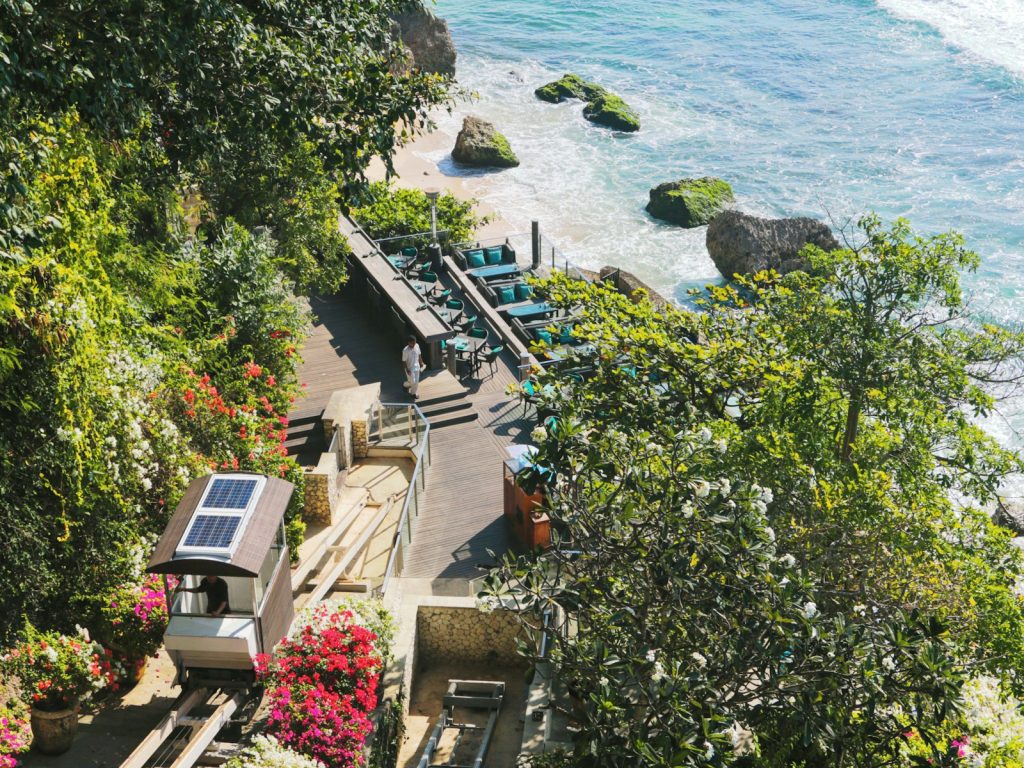
Working out where to stay in Labuan Bajo starts with one choice: do you want to be in town and on the waterfront, up in the quiet hilltop resorts, or near the airport for quick in-and-out trips? This guide breaks down each area, the trade-offs, and how to match them to your trip style and budget.
Quick answer: the 3 main areas to stay in Labuan Bajo
Labuan Bajo is compact, but your base still shapes your entire trip. Most visitors end up in one of three zones:
- Town & Waterfront
- Walkable access to the harbour, dive shops, warungs, sunset bars and basic services. Great for short stays, boat-heavy trips and social travellers.
- Hilltop Resorts (above town)
- More space, quieter, bigger pools and wider views across the islands. Better for couples, families and anyone planning to relax between boat days.
- Near-Airport & Outskirts
- Handy for late arrivals/early departures and road trips across Flores. Less atmosphere, more “gateway” feel.
All three zones sit within roughly a 15–25 minute drive of one another in normal traffic. You’re never truly “far”, but you’ll feel the difference in noise, views and how often you need a car or motorbike.
Before you book any Labuan Bajo accommodation, decide your priorities: walking vs quiet, pool vs price, harbour proximity vs space. That decision matters more than the specific property.
How Labuan Bajo is laid out
To choose between Labuan Bajo hotels, it helps to picture the town correctly.
- One main harbourfront strip where most liveaboard boats, day trip boats and dive operators depart.
- A parallel main road with minimarkets, ATMs, pharmacies, tour desks and casual food.
- Hills rising behind town, with resorts stepping up the slopes and along the western coastal road.
- Komodo Airport just inland from town, only a short drive away.
The town centre can feel busy and noisy, especially in the evening with motorbikes and harbour traffic. Move even 5–10 minutes up or along the coast and the vibe changes fast: quieter, darker at night, often better for sleeping.
Given how tours work in Komodo National Park, most boats will pick up from or near the central harbour. That’s why you see so many places to stay in Labuan Bajo clustering around that zone. But for multi-night stays, especially with kids or for a romantic trip, the hilltop resorts can be more comfortable.
Price levels: what “budget to luxury” actually means here
Labuan Bajo prices have climbed over the last decade as Komodo National Park gets busier. Expect to pay more than on many other Indonesian islands. As a broad guideline (last verified June 2026, for a standard double room):
- Budget: roughly IDR 200,000–500,000 per night
- Lower mid-range: roughly IDR 500,000–1,200,000 per night
- Upper mid-range: roughly IDR 1,200,000–2,500,000 per night
- Upscale: roughly IDR 2,500,000–4,500,000 per night
- Luxury / high-end: above roughly IDR 4,500,000 per night
Holiday periods, special events and last-minute bookings often push you to the top of those ranges. Weeknights in quieter months like February–April (outside Easter and local holidays) can drop you to the lower end.
Some high-end islands and private villas around Komodo sit well above these ranges, especially if they include boat transfers or semi-inclusive packages. Use these numbers as a ballpark, not a promise.
Town & waterfront: best if you want to be in the middle of it
Who this area suits
- Short stays of 1–3 nights built around a Komodo day trip or fast overnight tour
- Divers doing early-morning departures or multi-day courses
- Solo travellers who value walkable food, bars and meeting other travellers
- Budget travellers watching transport costs
This is the most obvious answer to “where to stay in Labuan Bajo” for a first visit if you want zero fuss. You step out of your door and you’re close to tour desks, minimarkets, ATMs, pharmacies, casual seafood places and the harbour.
What the town area feels like
Along the waterfront road and one or two streets back, you’ll find the densest cluster of Labuan Bajo hotels and guesthouses. Many are simple concrete buildings with basic rooms and air-con. A few higher tiers face directly onto the bay with sunset views.
Expect:
- Noise: motorbikes, music, port sounds and the call to prayer. Bring earplugs if you’re sensitive.
- Convenience over calm: easy to find last-minute tours, taxis and food; less sense of escapism.
- Walking life: you can stroll to dinner, sunset drinks and your next day’s meeting point without a car.
Budget and mid-range in town
If you’re hunting for cheaper places to stay, Labuan Bajo town is your best bet. Budget and lower mid-range options typically offer:
- Fan or basic air-con rooms, often compact
- Simple private bathrooms (occasionally shared at the lowest end)
- Patchy sound insulation between rooms
- Breakfast that might be as simple as toast and coffee
Cleanliness and maintenance can vary, so recent reviews matter. At the more comfortable mid-range level, expect stronger air-con, better beds, more consistent hot water and possibly small pools or rooftop terraces.
Upscale in town
Town also has a handful of upscale waterfront or near-waterfront properties. These usually offer:
- Bay-facing rooms with balconies or big windows
- On-site restaurants and bars aimed at international guests
- Pools you can actually lounge around
- More polished staff training and English proficiency
These are good for travellers who want to stay central but still enjoy proper downtime between boat trips. You’ll pay a premium to be both convenient and comfortable in this zone.
Pros & cons of staying in town
| Town & Waterfront | Upsides | Trade-offs |
|---|---|---|
| Location | Walk to harbour, dive shops, bars and tour desks | Traffic, port and bar noise; feels busy |
| Budget | Best area for budget stays and simple hostels/guesthouses | Cheap can mean cramped or worn; check photos closely |
| Transport | Lower spend on taxis, easier last-minute tours | Parking and car access can be tricky on narrow streets |
| Atmosphere | Social, easy to meet others, energetic in the evenings | Not ideal for very young kids or light sleepers |
Best for different traveller types
- Families: choose the quieter edges of town or up slight side streets, and prioritise space and air-con. Town is workable for one or two nights before/after a longer Flores or boat trip.
- Couples: for a short, activity-focused stay, a waterfront mid-range or upscale hotel keeps things easy. If you want romance and seclusion, look at hilltop options instead.
- Solo travellers: this is your sweet spot. Walking distance to bars, budget eats, dive shops and tour desks makes it easy to be spontaneous and social.
Hilltop & coastal resorts: views, pools and more space
Who this area suits
- Couples on a honeymoon or anniversary trip
- Families who want a pool and quiet at night
- Groups of friends who want to hang out together between excursions
- Remote workers or longer stays needing better rest and more comfortable common areas
These Labuan Bajo accommodation options sit on the hills behind town or stretch along the western coastal road. You’ll usually trade walking access for breathing room, views and bigger facilities.
What hilltop resorts are like
Expect properties stepping up the hillside, often with rooms or villas stacked to catch the view west over the bay and islands. Some have shared shuttle services to town; others rely on taxis or private drivers.
Typical features in mid-range to luxury tiers here:
- Large infinity or lagoon-style pools with sunset views
- Spacious rooms or villas, often with balconies
- On-site restaurants (sometimes multiple) and bars
- More landscaped grounds and privacy
The main downside: you cannot just stroll out to grab a snack or hop on a last-minute boat. Plan your days more intentionally, and budget for transport.
Budget and mid-range on the hills
Not every hillside option is a resort. At the lower price range, you’ll find simple guesthouses and small hotels perched above town. They often have:
- Good views but basic finishes
- Steep access roads or staircases (think carefully if you have mobility issues)
- Limited on-site facilities, maybe just a small café or breakfast area
These can be great value if you want quieter nights than town without paying resort rates. Just factor in the effort of getting in and out, especially after dark or in heavy rain.
Upscale and luxury resorts
This is where Labuan Bajo hotels compete most aggressively. High-end resorts lean into big pools, sunset bars and spa menus. Some sit on isolated headlands or private bay stretches, selling more of a “Komodo retreat” feel than a town stay.
Typical perks in the higher tiers include:
- Multiple pools and lounging areas
- Better-equipped spas and fitness spaces
- Dedicated activity desks that can book park trips, diving and island transport
- On-site kids’ facilities varying by property (from kids’ pools to play corners)
High-end resorts sometimes package accommodation with boat trips or diving, or work closely with particular operators. Ask clearly what’s included, and what’s an add-on.
Pros & cons of hilltop & coastal stays
| Hilltop & Coastal Resorts | Upsides | Trade-offs |
|---|---|---|
| Environment | Quieter, more space, more nature and sea views | Need transport for almost everything outside the resort |
| Facilities | Better pools, bars, gardens and shared areas | On-site dining can be pricier than town options |
| Atmosphere | More relaxed, romantic, family-friendly at night | Less social for solo travellers; can feel isolated |
| Accessibility | Good road access overall | Some steep drives or long steps; check if mobility is a concern |
Best for different traveller types
- Families: look for kid-friendly pools, shade and flexible dining. Hilltop resorts are excellent bases for 3–5 nights with boat trips every second day.
- Couples: this is usually the best answer to where to stay in Labuan Bajo if you want romance and comfort. A good resort plus one or two well-planned park days is plenty.
- Solo travellers: you can enjoy the peace, but consider splitting your stay: a couple of nights in town plus a couple on the hill for recovery time.
If you’d like tailored resort recommendations based on your dates, budget and trip style, we can help you compare hilltop vs town options honestly. Reach out via plan your trip and we can continue the conversation over WhatsApp.
Near-airport & outskirts: practical and low-fuss
Who this area suits
- Late-night arrivals or very early-morning departures
- Travellers connecting straight onto Flores road trips (e.g. to Ruteng or Bajawa)
- Business or conference travellers with quick city-in/city-out schedules
- Budget travellers willing to trade atmosphere for price
Komodo Airport is only a short drive from town, so “near-airport” doesn’t feel completely cut off. But it does lack the harbourfront charm and walkable food options that draw many visitors to Labuan Bajo hotels in town.
What to expect near the airport
You’ll find a mix of small hotels, guesthouses and some mid-range properties scattered along the main roads leading between the airport and town, and further out towards inland Flores.
Common traits:
- Simpler, businesslike layouts
- Fewer travellers hanging around during the day
- Dependence on on-site restaurants or calling in transport for meals
If you’re only in town for one night to catch a flight after a boat trip, this area can make sense. For a multi-day Komodo-focused stay, most travellers are happier in town or in the hills.
Pros & cons of staying near the airport
- Pros:
- Time buffer for early flights, especially in wet season when road conditions can slow things down
- Occasionally better last-minute availability than harbourfront areas
- Good base for those driving east into Flores the next day
- Cons:
- Little to no sense of being “by the sea” or in a harbour town
- Almost everything requires a ride into town or to the harbour
- Fewer dining and social options within walking distance
Matching areas to your trip style
For families
Think about naps, early bedtimes, pool time and meal logistics.
- Best base for 3–5 nights: hilltop or coastal resort with a decent pool and on-site dining. It keeps things contained and predictable with kids.
- Short stays or quick exits: one night in town before your boat, and possibly one night near the airport if you have a dawn flight.
- Budget family trips: consider larger family rooms or connecting rooms in simple town hotels slightly back from the main road to reduce noise.
Avoid being very deep in the harbourfront nightlife strip if you have light sleepers. The convenience rarely offsets the noise with younger children.
For couples
- Short break (2–3 nights): pick a hilltop resort and plan one full Komodo day trip. You’ll have one full day to unwind by the pool and an evening or two in town for dinner via taxi.
- Longer stay (4–6 nights): you could split: 2 nights in town for early dives and social energy, then 2–4 nights in a resort for slower days.
- On a tighter budget: choose a mid-range hotel in town near the waterfront but slightly away from the busiest bar stretch. Focus on experiences rather than room size.
For anniversaries or honeymoons, hilltop and coastal options consistently feel more special than most town properties, even at the same price band.
For solo travellers
- Social and active: stay in town. Choose a place within easy walking distance of dive shops and casual bars. It’s simpler to meet others and arrange trips day by day.
- Quiet and reflective: a small hilltop property with good common areas can work. You’ll spend more time on-site reading, working remotely or resting between dives.
- One-night stopovers: for late flights, near-airport can be fine. For more than one night, you’ll likely enjoy town more.
For divers and underwater-focused trips
Chances are your days will start early and end tired.
- If diving every day: base yourself in town or very close to the harbour for a short commute in the mornings.
- If diving only 1–2 days: hilltop resorts still make sense if your dive shop can arrange pick-ups or if taxi times work.
- On a strict budget: simplest rooms in town, within walking distance of your chosen dive centre, will keep costs down.
For overland Flores trips
If Labuan Bajo is just the starting or ending point for a longer Flores journey:
- Arriving by air, leaving by road: a near-airport or outskirts hotel on the road out towards Ruteng can save backtracking time.
- Finishing a road trip in Labuan Bajo: give yourself at least 2 nights in a comfortable town or hilltop base to rest before flying on.
Seasonal considerations: dry vs wet
Labuan Bajo is drier than much of Indonesia, but seasons still influence where it’s nicest to stay.
Dry season (roughly May–October)
- Town & waterfront: outdoor bars and restaurants are lively. Hot, but breezier along the water.
- Hilltop resorts: peak season. Views are clearer, sunsets more reliable, but pools and loungers busier.
- Near-airport: practical as always, but you’ll probably wish you were closer to the sea.
Book early in July–August and around major holidays. Room ranges don’t change, but you’re more likely to pay at the upper end.
Wet season (roughly November–April)
- Town & waterfront: some drizzle days; streets can splashy but you have cover and quick access to indoor restaurants.
- Hilltop resorts: greener, but access roads can be slick in heavy downpours. You may value better room quality on days spent indoors.
- Near-airport: handy for early flights if rain slows traffic; otherwise still more functional than inspiring.
Boat operations can be affected by weather and sea conditions at any time of year. No hotel can guarantee smooth crossings or wildlife sightings inside Komodo National Park.
How to evaluate specific Labuan Bajo hotels
Once you’ve decided on your area, narrow down properties using a few simple filters:
1. Location on a map, not just “Labuan Bajo” label
- Check distance to the harbour or your main meeting point.
- Look for steep roads or lots of steps marked in photos or reviews if mobility is a concern.
2. Air-conditioning and power reliability
Labuan Bajo can get hot and sticky, especially at night. Confirm:
- Air-con in your exact room type, not just “some rooms”.
- Backup power generators in mid-range and above (often mentioned in descriptions).
3. Bathroom realism
- Photos of the bathroom, not just the bedroom.
- Mentions of water pressure and hot water consistency in recent reviews.
4. Noise levels
- In town, check comments about traffic, music or street noise.
- On hills, check if there’s construction nearby.
5. Family-friendliness
- Pool safety and depth for kids.
- Availability of extra beds or family rooms.
- Breakfast times that suit early starts.
6. Transport options
- Hilltop and near-airport properties: ask about shuttles to town/harbour and typical taxi costs.
- If you’re arriving late, confirm reception hours or check-in arrangements.
Practical tips before you book
- Stay length: For a first Komodo trip, 3–4 nights in Labuan Bajo gives you time for at least one park day, one rest/flex day, and travel in/out days.
- Split your stay if needed: One strategy is a couple of nights in town for tours and then a resort night or two purely for downtime.
- Payment methods: Higher-end places usually take cards; smaller guesthouses often prefer cash or bank transfer.
- Connectivity: Wi-Fi quality is improving but still variable. If you need to work remotely, hilltop resorts and mid-to-upper town hotels often do better, but always confirm.
- Accessibility: Labuan Bajo has hills, steps and uneven pavements. If mobility is limited, choose lower-level rooms and properties with clear access information.
If you’d like an honest second opinion on a shortlist of places to stay in Labuan Bajo, our team can help you weigh pros and cons for your exact dates and plans. Share your options via plan your trip and we can follow up on WhatsApp with specific suggestions and route tweaks.
Summary: which area should you choose?
- Pick town & waterfront if: you want to walk to the harbour, you’re on a tighter budget, or you value social energy and convenience over quiet.
- Pick hilltop & coastal resorts if: you want space, pools and views, you’re travelling as a couple or family, and you don’t mind short taxi rides.
- Pick near-airport & outskirts if: you’re arriving late, flying early, or using Labuan Bajo as a through-stop on a longer Flores journey.
You can’t control the sea conditions, and you can’t script exactly what wildlife you’ll see in Komodo National Park. But you can choose a base that matches your energy, your budget and your sleep needs. That’s what will quietly shape how your trip actually feels.
Is it better to stay in town or on a hilltop resort?
If your priority is quick harbour access, social atmosphere and lower daily costs, town works better. If you care more about sleep quality, views, pools and on-site comfort, hilltop resorts generally feel more rewarding, especially for couples and families.
How many nights should I stay in Labuan Bajo?
For a first visit focused on Komodo, 3–4 nights is a good baseline: one arrival day, one or two park or dive days, and at least one flexible day for rest or weather changes. If you’re combining with a Flores overland trip, add nights accordingly.
Can I walk everywhere if I stay in town?
Within the town and waterfront strip, you can walk to many restaurants, mini markets and tour meeting points. Distances are short, but heat and hills can make midday walks tiring. For hilltop and near-airport stays, expect to rely on taxis or shuttles.
Is Labuan Bajo safe at night near the harbour?
The main harbour and town areas are generally busy and feel safe for most travellers, with the usual big-picture cautions: watch your belongings, avoid very dark side streets, and use registered taxis or transport arranged by your accommodation if you’re unsure of directions late at night.
Do I need to prebook accommodation in Labuan Bajo?
In high season (roughly June–September and major holidays), prebooking is strongly recommended, especially for hilltop resorts and better mid-range town hotels. In quieter months, you may find last-minute rooms in town, but choice and value are usually better if you book ahead.