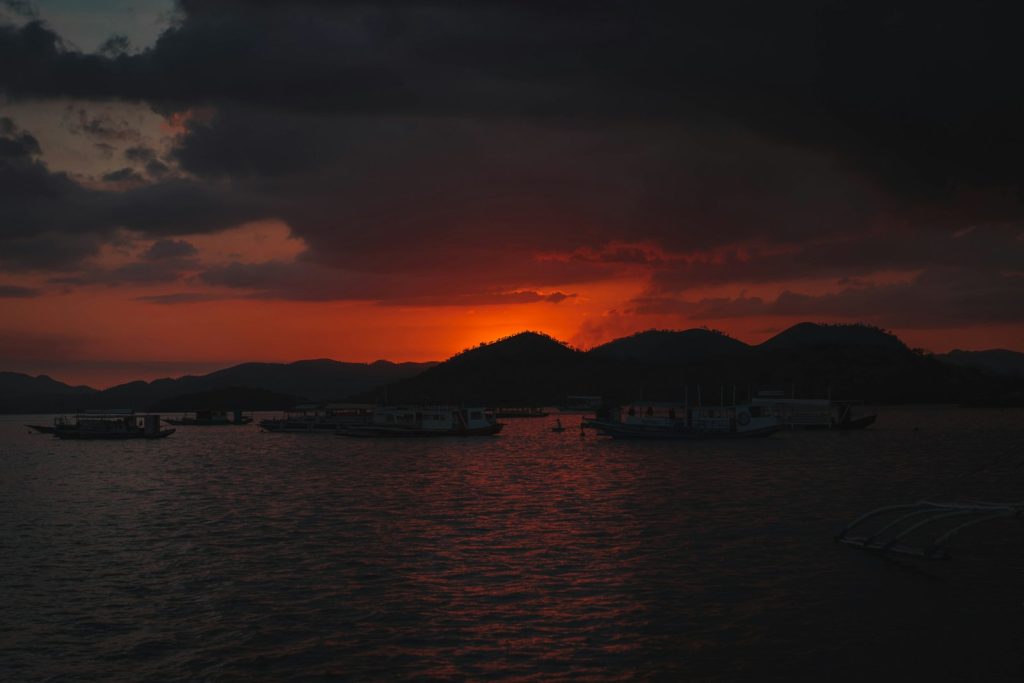
About Labuan Bajo Tours guide: meet our independent local editorial team, how we research every Komodo trip, and how this site is funded.
About Labuan Bajo Tours guide: this is an independent, locally written travel-intelligence guide to every kind of tour, trip and journey from Labuan Bajo into Komodo National Park. We exist to give you clear, honest, field-tested advice in a town dominated by operator websites and glossy marketing.
Who We Are
Labuan Bajo Tours is written and edited by a small, local editorial team based full-time in Labuan Bajo, on the western tip of Flores.
We are three people:
- Fransiskus “Frans” Dagur — Founding Editor & Lead Researcher
Manggarai-born, based in Labuan Bajo. Fifteen years guiding across Komodo National Park and Flores before founding this guide. I lead the editorial direction, field research and fact-checking for routes, seasons and price ranges. - Maria Yosepha — Trip Analyst & Bahasa/English Editor
Flores native with a background in community tourism projects and translation. Maria compares itineraries, reads the fine print on insurance and safety, and keeps our Bahasa Indonesia pages aligned with the English ones. - Daniel “Dani” Setiawan — Maps, Data & UX Editor
Java-born, Labuan Bajo-based diver and data nerd. Dani maintains our route maps, tide and current references, and checks that our pages are actually usable when you are standing on the harbour with shaky Wi‑Fi.
We are not a tour operator. We do not own boats. We do not run trips. We are an independent Labuan Bajo guide whose job is to explain your options clearly and help you avoid bad surprises.
Why We Built an Independent Labuan Bajo Guide
Labuan Bajo has changed fast. The harbour that once held mostly wooden fishing boats now fills daily with liveaboards, day-trip speedboats and Instagram crews chasing the same pink-sand shot.
Most of what you read online is produced by operators selling their own trips. That is useful, but it comes with blind spots.
Common problems we kept seeing on the pier, on WhatsApp, and on boats:
- Travelers booking trips without understanding park fees and thinking the ticket office was a scam.
- People surprised by how rough the crossing can be in certain months because a website only showed sunny photos.
- Confusion about the difference between a shared speedboat day trip, a private wooden boat charter, and a multi-day liveaboard.
- Guests feeling rushed through Komodo and Padar because their itinerary tried to do too much in one day.
- Divers discovering on board that currents in Komodo are serious and not ideal for a first-ever dive.
After fifteen years guiding, I was spending more time explaining options on WhatsApp than on the water. That is why we created this guide: a single, honest source that compares the full range of trips from Labuan Bajo, explains trade-offs, and gives you enough context to choose well.
Our priorities:
- Context, not hype. We would rather you decide not to do a trip than book something unsafe or disappointing.
- Local nuance. We live with the same monsoon seasons, ferry delays and fuel price swings as everyone here. We write from that reality.
- Transparency. We tell you what we know, how we know it, and what is still uncertain.
What “Independent” Means for Us
“Independent” is a big word. For us, it means three concrete things:
- No one can pay to change what we publish; if you proceed with our partner they may pay us a referral fee at no extra cost to you.
- We compare multiple options side by side, not just one company’s offering.
- We correct ourselves when facts change or we get better information.
We speak daily with operators, guides, rangers and port staff. We respect them. Many are friends. But our responsibility on this site is to you: the person trying to make sense of Labuan Bajo from far away, or from a hotel room with patchy Wi‑Fi.
Sometimes that means:
- Recommending you avoid a route in a certain season because swell or currents are usually rougher.
- Explaining why a cheaper shared trip might be better than a private boat for a solo traveler.
- Warning that a “sunset with manta” promise is never guaranteed.
If you want a brochure, operators already do that very well. If you want candid comparisons and grounded expectations, that is what this guide is for.
How We Research: On the Water and On the Ground
Our research method is simple but takes time. We combine fieldwork, document checks, and regular price sampling.
1. Field Visits and Route Testing
Between us, we spend a large part of the year on the water or in the villages that link to Komodo trips.
- Joining shared day trips as regular guests to see how itineraries actually run.
- Chartering boats for specific routes to test timing between sites like Padar, Komodo, Pink Beach and Manta Point.
- Diving and snorkeling across different months to see how visibility and currents feel in practice, not just in theory.
- Visiting ranger posts and ticket offices to clarify park-fee structures and any new rules.
We keep notes on:
- Departure and arrival times from Labuan Bajo harbour.
- Actual time spent in the water or on the trail versus in-transit.
- How crowded key sites felt at various hours.
- Where guests looked confused, stressed or delighted — and why.
2. Fact-Checking Fees, Seasons and Regulations
Numbers around Komodo change. Fuel costs shift. Park-fee structures adjust. Some docks are upgraded, others under repair. We do not lock any number in as timeless.
For fees and regulations, we:
- Verify against official posted tariffs at ticket counters and ranger stations.
- Cross-check with multiple operators to see what guests actually pay in practice.
- Note differences between weekday and weekend, and between Indonesian and foreign visitors where applicable.
- Update price ranges with a “last verified” date. For example, you will see text like: “Price range last verified June 2026”.
For seasons, we combine:
- Our own logged observations over many years.
- Conversations with skippers about swells and wind patterns.
- Long-term rainfall and wind data where available.
We never guarantee weather, visibility or wildlife. Komodo is a living marine ecosystem influenced by the meeting of the Indian and Pacific Oceans. You can travel in a generally calmer month and still hit a rough day. Our role is to explain probabilities and trade-offs, not promises.
3. Comparing Options, Not Just Listing Them
Rather than compile a directory of company names (which would age badly and risk implying endorsements), we focus on trip formats and structure. The idea is that you can recognise a good offer, from any operator, once you understand the patterns.
In our planning guides you will often see comparisons like:
- Shared speedboat day trip
- Fast, covers many highlights in one day. Less flexible, early start, can feel rushed in high season. Price ranges last verified June 2026: usually higher per person than a slow-boat day trip, but lower than private charters.
- Slow wooden boat day trip
- Lower per-person prices in many cases, more relaxed pace, longer time on the water. Slower crossings; some guests feel the motion more. Often a good match for those prioritising cost and atmosphere over ticking every site.
- 2–3 night liveaboard
- Sleep on the boat, more sunrise/sunset time at sites, better for photographers and divers. Higher total cost; comfort depends strongly on the vessel class. Price ranges last verified June 2026: can vary widely between simple cabins and more upscale options.
- Private charter
- You set the pace and priorities within safety and weather limits. Better for families, small groups and specific interests (photography, birding, long hikes). Per-boat cost is higher, but per-person cost can become efficient for larger groups.
We also highlight where expectations often clash with reality. For example:
- Trying to include too many sites in a single day.
- Assuming “sunset trip” always includes Padar or Kalong (it does not, by default).
- Confusing park entry fees with guiding fees or boat fees.
If you want help untangling the choices for your own dates and group size, you can always plan your trip with us. Send us a rough idea via WhatsApp and we will help you think through formats, seasons and budget ranges — without pushing you to a specific boat.
How We Handle Prices
Pricing in Labuan Bajo is dynamic. Exchange rates, fuel costs, port regulations, and demand in peak months all shift what you might pay.
Instead of listing fixed numbers that would become wrong quickly, we use ranges and always mark them as “last verified June 2026” (or whatever our latest check is) so you know the context.
Our price research includes:
- Collecting sample quotes from multiple operators for each trip format at different times of year.
- Checking both walk-in rates in Labuan Bajo and advance-booking rates.
- Asking specifically which park fees are included and which are not.
- Confirming what is covered: meals, snorkel gear, guide, hotel transfers, dive equipment, insurance, etc.
We then publish statements like:
- “Shared speedboat day trips typically fall in the mid-range for a full-day excursion (price range last verified June 2026).”
- “Simple-cabin liveaboards with shared facilities sit at the lower end of multi-day budgets, while more comfortable cabin boats sit higher (ranges last verified June 2026).”
These are not quotes. They are guides to help you recognise when an offer looks unusually low (possible corners cut) or unusually high (you should expect clear justification in comfort, safety or inclusions).
Safety and Environmental Standards
Komodo National Park is both a protected area and a working tourism destination. Safety and environmental impact matter more here than any Instagram shot.
How We Think About Safety
We are not a regulator, but we have spent enough years on these waters to develop a clear sense of what “reasonable” looks like. In our writing we encourage you to check for:
- Life jackets in sufficient numbers and in usable condition.
- Basic safety briefing before departure, including what to do in an emergency.
- Honest communication about swell and currents, especially if you are not confident in the water.
- For diving: certified dive leaders, small group sizes, and plans that respect your experience level.
We also explain the specific risks of this region: complex currents, exposed crossings, and steep hiking trails in strong sun. You will see us repeat boring advice about hats, reef-safe sunscreen, hydration and fins that actually fit. That is intentional.
How We Think About Environmental Impact
We support the idea that tourism should help keep Komodo worth protecting, not make it worse.
In our guides we:
- Encourage no-touch, no-chase snorkeling and diving — especially with manta rays and turtles.
- Explain why not feeding wildlife (on land or at sea) is important.
- Support staying on marked trails in dragon areas.
- Highlight the long-term benefit of following the park rules, even when it feels inconvenient in the moment.
We also occasionally remind visitors that Komodo dragons are wild animals, not props. Respecting distance protects you, the guides and the dragons themselves.
Our Funding Model
Running an in-depth, constantly updated guide from Labuan Bajo is real work. Hosting, research trips, map tools and the time we spend answering detailed questions all cost money.
To support this, we use a simple funding model:
No one can pay to change what we publish; if you proceed with our partner they may pay us a referral fee at no extra cost to you.
Putting it plainly:
- We do not sell ads that let companies edit or approve our reviews.
- We may recommend services that we think are a good fit. If you choose to book through those links or contacts, that partner may share a portion of their earnings with us.
- Your price stays the same; our independence stays protected by keeping editorial decisions separate from any referral arrangements.
This model lets us:
- Keep most of our planning information free to read.
- Spend time answering complex WhatsApp questions.
- Regularly revisit routes and fees to keep information current.
If you find our work useful and decide to book through a partner we mention, you directly help keep this independent Labuan Bajo guide alive and updated.
How to Use This Guide
This site is designed to be useful at three stages of your planning:
1. Early Dreaming Stage
You have heard words like “Komodo” and “Labuan Bajo” but do not yet know what is realistic.
Start with pages that explain:
- The main types of trips from Labuan Bajo.
- How many days you actually need for land and sea.
- Difference between dry and wet season experiences in broad strokes.
2. Shortlisting Stage
You know your dates and rough budget, and you are trying to choose trip formats.
Here you can use our comparisons of:
- Day trips vs multi-day trips.
- Shared vs private experiences.
- How different routes cluster sites together.
We flag who each option tends to suit best: solo travelers, families with young children, divers, older travelers, etc.
3. Final Decision and On-the-Ground Stage
You are about to book, or already in Labuan Bajo with one free day left.
Now you will want:
- Latest fee structures and ranges (last verified dates clearly marked).
- Checklists of questions to ask before you pay a deposit.
- Reminders about what to pack for specific trip types.
And if you feel stuck, you can message us via WhatsApp through our plan your trip page. Tell us your dates, rough budget and priorities; we will help you narrow options and sense-check offers you have already received.
What We Do Not Do
To stay honest and focused, there are a few things we intentionally avoid:
- We do not guarantee sightings. No one can promise you will see manta rays, dolphins, certain fish or dragons behaving in a specific way.
- We do not resolve disputes between you and an operator. We can help you understand what is normal and what is not, but the contract is between you and them.
- We do not publish fixed, single-company prices. We stick to ranges with clear “last verified” dates to avoid misleading you.
- We do not accept payment to remove negative context. If an experience type routinely causes problems, we say so plainly.
This leaves us free to focus on what we can do well: give you clear, grounded expectations and help you ask better questions before you hand over your time and money.
Why Local Voices Matter Here
Komodo and Flores are not just destinations; they are home for many of us writing and guiding here. Growing up Manggarai, I watched Labuan Bajo change from a quiet port to a major tourism gateway.
Local perspective matters because:
- We remember routes and villages before tourism, and see how things affect communities now.
- We know how national holidays, local ceremonies or sudden port works might affect your plans.
- We can explain customs that do not appear in glossy brochures but matter in real interactions.
At the same time, we write for an international audience that may be visiting Indonesia for the first time. Part of our job is translation — not just of language, but of expectations.
You will see this in small details: how we suggest clothing that respects local norms, or explain why something that feels “late” to you might be a normal delay here, and how to plan around it without stress.
Staying Updated
Labuan Bajo and Komodo will keep changing. New regulations, improved docks, more routes, shifting demand.
We update this guide by:
- Setting regular review cycles for our core pages.
- Adding or revising “last verified” notes on fees and price ranges.
- Editing pages when we see repeated questions coming in on WhatsApp.
If you notice something that feels out of date, we appreciate a nudge. Your observations on the ground help us keep this guide accurate for the next person.
Plan Your Komodo Trip with Us
If you have read this far, you already care about doing this trip thoughtfully. That is our kind of reader.
The next step is simple: visit our plan your trip page, share your dates, group size and interests, and then continue the conversation over WhatsApp. We will help you translate all this information into a concrete plan: which format suits you, what to realistically budget, and what to ask operators before you confirm.
No pressure, no countdown timers. Just local, independent advice to make your time in Labuan Bajo and Komodo National Park count.
FAQs
Is Labuan Bajo Tours a tour operator?
No. We are an editorial guide. We do not own boats or run trips. We research, compare and explain your options so you can choose and book confidently with the operators that suit you.
How do you stay independent if you earn referral fees?
Our rule is clear: no one can pay to change what we publish; if you proceed with our partner they may pay us a referral fee at no extra cost to you. Editorial decisions — what we recommend, what we warn about — are made separately from any commercial arrangements.
How current is your price and fee information?
We present prices as ranges and always mark them with “last verified” dates, for example “last verified June 2026”. That tells you the last point at which we checked with multiple sources. We do not promise live pricing, so you should confirm exact numbers with your chosen operator before booking.
Can I WhatsApp you my draft itinerary?
Yes. Through our plan your trip page you can start a WhatsApp chat. Share your draft plan and we will help you sense-check routes, timing, and whether your expectations match what is realistic from Labuan Bajo.
Do you guarantee I will see Komodo dragons or manta rays?
No. Komodo dragons and manta rays are wild animals in a changing marine environment. We explain where and when sightings are more likely, but no one can guarantee wildlife. We focus instead on helping you choose trips that maximise your chances while respecting the animals and the park.