Prices & fees change: Labuan Bajo Tours is an independent guide — not a tour operator or government body. Park, ranger and harbour fees, boat prices and regulations change and are often paid separately from a tour price. We flag figures with a last-verified date; please confirm current costs before you travel or book. If you book through an operator we introduce, they may pay us a referral fee at no extra cost to you.
The best time to visit Labuan Bajo is generally during the dry months from around April/May to October/November, when seas are calmer and visibility is usually at its best. The “perfect” month for you depends on what you care about most: mantas, calm crossings, fewer crowds, lower prices – or a mix of all four.
Quick answer: best time by traveller type
Before we unpack the Labuan Bajo season in detail, here’s the short version.
- Best all-round months
- May–June and September–early November: usually dry, greener landscapes than peak dry, decent manta chances, fewer crowds than July–August.
- Best for mantas (never guaranteed)
- Generally December–March in the central park (Komodo–Taka Makassar corridor) and around April–June at some sites. You can see mantas any month, but numbers and spots shift with currents and plankton.
- Best for calm seas & visibility
- Roughly April–October: crossings to Rinca, Komodo and north are usually more comfortable than deep wet season. Visibility can be excellent, especially September–November.
- Quietest months
- February, early March, and early December (outside Christmas and New Year): more rain risk, but fewer boats and more flexible guides.
- Peak crowds & price spikes
- July–August (European school holidays), late December–early January (Christmas–New Year), plus Indonesian long weekends and Eid.
Below, I’ll walk you through each part of the year, how it actually feels on and under the water, and how to time your manta hopes realistically.
Understanding the Labuan Bajo season
Labuan Bajo is the small port town on the western tip of Flores, and the jumping-off point for Komodo National Park. The climate here is tropical with one main wet season and a long, often very dry season. Expect heat year-round; the real variables are rain, wind, sea state and visibility.
Dry vs wet season (and the long in-between)
Dry season (approx. April/May–October/November)
- Lower rainfall overall.
- Hills turn brown and arid by mid–late dry season.
- Sea conditions usually more settled, especially June–October.
- Very popular for sailing trips, trekking Padar, and classic Komodo dragon safaris.
Wet season (approx. December–March)
- Heavier, more frequent showers and thunderstorms.
- Greener landscapes and cooler nights between squalls.
- Some days can be glassy-calm; others bring strong winds and rough crossings.
- Manta action can be excellent at some central sites thanks to plankton.
Shoulder months (roughly April and November) often combine the best of both: still-green islands, improving visibility, and fewer boats than the peak of July–August. These in-between months are usually our favourite recommendation for guests who can travel flexibly.
Climate data disclaimer: Official station-level climate tables specific to Labuan Bajo are limited and methodologies vary by source. Overall patterns above align with long-term regional data for western Flores and Komodo plus on-the-water experience. Treat them as guides, not guarantees. Always check a short-range forecast before sailing.
Sea conditions: crossings, swells and safety
The most important comfort factor is not “rain vs sun” but wind and swell.
- Typically calmer: June–October often sees more predictable conditions and comfortable crossings to Rinca, Komodo and the northern reefs.
- More variable: December–March can swing from glass-like mornings to choppy, uncomfortable return runs in the afternoon.
- Transition bumps: April and November sometimes deliver random windy spells as monsoon systems shift.
Local captains constantly adjust routes to conditions. On days with stronger wind, expect more time in the central park (Kelor–Rinca–Kalong) instead of pushing far north or south. If you’re prone to seasickness, dry-season mornings and larger, more stable boats help.
Visibility: what you actually see underwater
Komodo is famous for its shifting currents and nutrient-rich waters. That’s what brings the fish and mantas – but also means visibility can change quickly.
- Often clearer: Around September–November, many dive sites enjoy very good visibility.
- Can be milky: Deep wet season, especially January–February, sometimes brings plankton blooms and lower viz at certain sites.
- Site-specific: Northern reefs frequently stay clearer than central and southern sites, even on lower-viz days elsewhere.
No operator can promise “30 metres viz” on a specific day. A good guide will pick the best sites available on the actual conditions your trip gets.
Manta season in Komodo: how it really works
The phrase “manta season Komodo” is used a lot in marketing. Reality is more complex and more interesting.
Can you see mantas all year?
Manta rays are present in and around Komodo National Park year-round. But their numbers and exact hangout spots shift with currents, plankton and temperature. Think of it as a dynamic pattern, not a fixed calendar.
Broadly:
- December–March: Often very good for mantas at certain central sites (for example around the Taka Makassar / Karang Makassar area and nearby cleaning stations) when plankton levels can be higher.
- April–June: Transitional, with mantas still frequent at central sites and sometimes more activity at others as currents and winds change.
- July–October: Mantas still appear (especially at known cleaning stations and in strong-current channels), but encounters can be more dependent on daily tides and less concentrated than peak wet-season plankton months.
- November: Often a good “swing” month, with a mix of dry-season clarity and increasing manta-friendly nutrients.
These are patterns, not promises. Even on a “perfect” manta month, you might see none at a particular site. On an off-month, you might suddenly have ten glide past you for 40 minutes. That’s wild ocean life, not a theme park.
Snorkelling vs diving with mantas
- Snorkelling: Popular sites like the Taka Makassar area are shallow enough that confident snorkellers can have excellent encounters during both wet and dry seasons.
- Diving: Gives access to deeper cleaning stations and channels. Some of these are advanced dives with strong currents. The decision to dive or stay shallow is always made case-by-case, based on your experience and actual conditions.
If mantas are your main reason to travel and you can tolerate higher rain risk, January–March plus November are strong bets for trying, with April–June as flexible back-up. But keep expectations grounded: no month guarantees mantas.
Ethical manta encounters
Whatever month you visit, help keep Komodo’s mantas safe:
- Stay at least 3–4 metres away; never chase or touch.
- Keep your fins below the surface when they pass close to avoid hitting them.
- Follow your guide’s briefing. They know the prevailing currents and preferred manta routes for that day.
Month-by-month: Labuan Bajo & Komodo at a glance
The table below summarises typical patterns by month. These are generalised, experience-based patterns for the Labuan Bajo–Komodo area, not guarantees for a specific date. Weather in recent years has been less predictable; check forecasts close to departure.
| Month | Weather on land* | Sea & visibility* | Crowds & prices* | Manta notes* |
|---|---|---|---|---|
| January | Wet, frequent showers, lush green hills. | Variable; some rough days, some glassy. Viz can drop with plankton. | Generally quieter; Christmas–New Year period is busier and pricier. | Often strong manta activity at central sites; no guarantees. |
| February | One of the wettest months; short intense storms common. | Crossings can be bumpy on windy days; operators may adjust routes. | Low to moderate crowds; good for flexible travellers. | Still good manta chances at several spots with rich plankton. |
| March | Rain starting to ease late in the month; still humid. | Conditions gradually improving; mix of calm and windy spells. | Quiet to moderate; some domestic holiday bumps. | Mantas still regularly seen; transition towards dry pattern begins. |
| April | Shoulder season; fewer showers, landscapes still green. | Generally improving sea state; visibility starting to pick up. | Sweet spot: fewer boats than peak, prices more moderate. | Good compromise month for combining mantas with clearer water. |
| May | Main dry season setting in; warm, sunnier days. | Typically calmer seas; visibility often good at many sites. | Rising demand; long weekends and school holidays bring spikes. | Mantas still possible; frequency varies with local conditions. |
| June | Dry, hot days; evenings a bit more comfortable. | Often very good for crossings and day-trips; viz generally solid. | Busy but not yet peak; advance booking advisable. | Reliable for general wildlife; mantas seen but not concentrated. |
| July | Full dry season; very little rain. | Usually stable seas; occasional wind chop in the afternoons. | High season: European and some Asian school holidays. Higher prices, more boats. | Mantas present but encounters depend heavily on tides and luck. |
| August | Dry, hot, landscape very brown and arid. | Often excellent sailing conditions; visibility can be very good. | Peak crowds and pricing; popular viewpoints can feel busy. | Good for overall marine life; manta encounters are hit-and-miss. |
| September | Still dry; heat can build through the day. | Frequently excellent visibility and comfortable crossings. | High but easing after early September; good window for many. | Solid all-round month; mantas appear regularly but not guaranteed. |
| October | Late dry; occasional showers starting, still mostly sunny. | Generally good seas; some years see more wind shifts. | Moderate to high; local holidays can cause short spikes. | Fish life thriving; manta patterns start to tilt towards wet season sites. |
| November | Shoulder back towards wet; first bigger rains possible, air feels fresher. | Mixed bag: many calm days, some sudden squalls; visibility can still be very good. | Often quieter than earlier dry months; decent value window. | Often very good manta prospects as nutrients increase again. |
| December | Wet season re-established; frequent showers, vivid green islands. | Variable seas; calm mornings, stormier afternoons are common. | Early December quieter; Christmas–New Year very busy with higher prices. | Manta encounters often increase at certain known sites; still not guaranteed. |
*Patterns based on regional climate data plus long-running local observations; specific conditions vary year to year. Treat as guidance rather than a fixed forecast.
Dry season: April/May–October/November
For most visitors, the “best time to visit Labuan Bajo” will fall somewhere inside the dry months. They bring the most reliable conditions for sailing, hiking view points like Padar, and family trips that need higher predictability.
Why travellers love the dry months
- Predictable boat days: Fewer cancellations or heavy-weather route changes compared with the heart of wet season.
- Comfortable day-trips: Sun is strong but you’re less likely to be hiding from all-day rain on deck.
- Better for kids: Families, especially with younger children, often prefer calmer seas and more consistent sunshine.
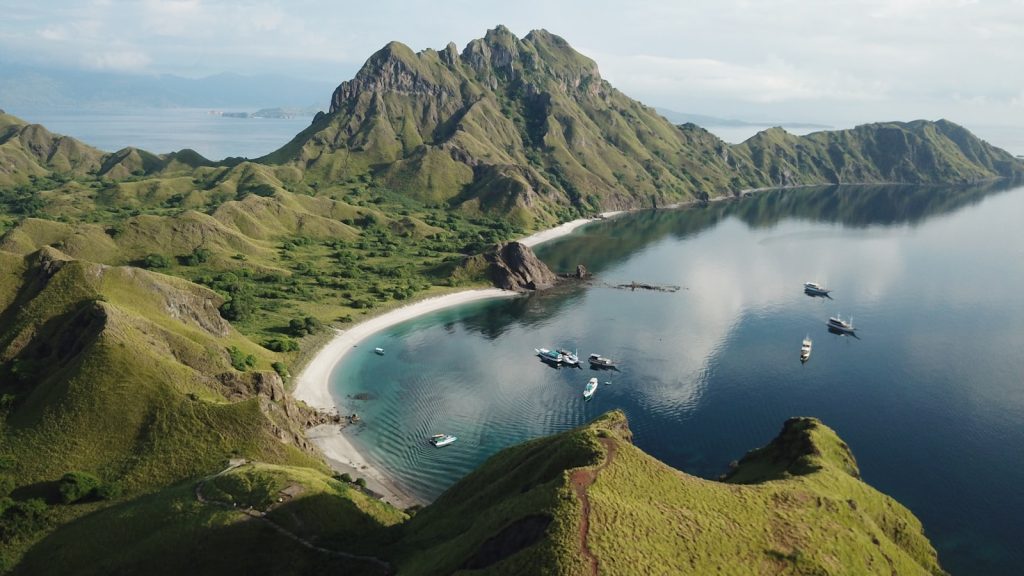
- Topside visibility: Hikes on Padar and Komodo viewpoints are usually dry underfoot; you get those classic golden-hill panoramas by mid-season.
Trade-offs of visiting in dry season
- Hot and exposed: By July–September, the hills are bare; mid-day heat on treks is intense. Early-morning starts help.
- More people: You’ll be sharing top sites with more boats, especially in July–August and around major holidays.
- Price pressure: Accommodation and boat rates are typically higher in peak dry months (range only, last verified June 2026: day-trips can sit anywhere roughly from budget shared-boat levels up to premium rates several times that; private charters range widely depending on boat size, class and inclusions). Plan and book ahead.
Best dry-season windows
- Late April–June: Our preferred stretch for many first-time visitors. Balanced seas, still some green on land, mantas still fairly active at some central sites, and crowds (usually) below July–August peaks.
- September–early November: Excellent visibility for divers and snorkellers, often fantastic conditions for photographers, less crowding than high summer, though heat can be fierce.
If you’d like help matching the right month to your specific priorities, you can use our free WhatsApp-based planning service via plan your trip. We’ll sanity-check dates against school holidays and expected local conditions.
Wet season: December–March
Wet season sounds scary on paper, yet for many experienced travellers and underwater photographers this is an underrated time to be in Labuan Bajo.
What “wet” actually feels like
Instead of constant drizzle, you often get bursts of heavy rain, then clear gaps – sometimes brilliant sunshine between storms. The landscape flips to vivid green; rice fields around Flores are at their most photogenic, and islands inside Komodo look less like Mars and more like Jurassic Park.
Conditions local operators see in wet season include:
- Some spectacular calm days: On lighter-wind days, the sea can be flatter than many dry-season mornings.
- Short-notice changes: When squalls hit, captains may shorten routes or avoid longer open-water crossings.
- More suspended particles: Plankton and runoff can reduce visibility at some sites, while others stay surprisingly clear.
Pros of visiting in wet season
- Fewer boats: Outside Christmas–New Year and major public holidays, sites like Padar, Pink Beach and popular snorkel stops feel calmer.
- Manta potential: Nutrient pulses can bring strong manta activity to particular spots, especially Jan–March and again around November–December.
- Greener landscapes: Photographers and hikers who like dramatic skies and rich colours often prefer this period.
- More flexibility: Guides and captains sometimes have more room in their schedule to tweak itineraries or help you build a custom route.
Cons and risks
- Higher chance of cancellations or curtailed routes due to strong wind, rain or port safety advisories.
- Flight disruption is more likely around big storms.
- Not ideal for anxious sailors or very young kids who might struggle with choppier crossings.
If you choose wet season, build in buffer days on each side of your main boat trip and accept that you may need to pivot your plan if the weather has other ideas.
Shoulder-season sweet spots
For many independent travellers asking “when to visit Komodo?”, the best answer is simply: one of the shoulders.
Why April, May, October and November are special
- More balance, fewer extremes: You’re less likely to hit the longest dry-season heat or the heaviest, most disruptive rains.
- Better value: Accommodation and boat prices often sit below the sharpest peaks of July–August and Christmas–New Year (always check current ranges; last verified June 2026, most mid-range day trips and mid-tier stays show noticeable seasonal swings).
- Manta + clarity overlap: Around late April–May and November, many visitors enjoy both decent visibility and credible manta chances.
- Softer light and colours: Photographers often prefer shoulder months for gentler light and slightly more clouds to work with.
If your dates are flexible, aim for:
- Late April–early June or
- Mid-September–late November
Then check those against your own school calendars and major Indonesian holidays before locking in flights.
Crowds, holidays and price spikes
Labuan Bajo is still small. A handful of extra planes or liveaboards makes a real difference to how “busy” the park feels. Timing your visit outside pressure points can dramatically change your experience.
Key busy periods
- July–August: European and some Asian school holidays. Boats, guides and mid-range hotels often book out early. Expect more people at classic viewpoints at sunrise and sunset.
- Christmas–New Year: Domestic visitors and international holidaymakers converge. Expect holiday surcharges, fuller flights and busier anchorages.
- Eid and long weekends: Dates shift each year; domestic demand spikes. Many Indonesians use this window to visit Flores and Komodo.
How this affects pricing
Across many Labuan Bajo operators (from simple shared day boats to higher-comfort liveaboards and villas), you’ll usually see:
- High-season ranges: July–August and late-December–early-January. Expect rates toward the top of published ranges and stricter deposit/cancellation terms (ranges only, last verified June 2026: budget shared-day trips often under mid-range tours; more comfortable, small-group or semi-luxury options price significantly higher).
- Shoulder-season ranges: April–June (excluding holidays) and September–November. Often more moderate, with the best cost–experience balance.
- Low-season ranges: February–early March and early December (outside Christmas–New Year). Some operators reduce schedules; those running may offer more favourable deals.
Specific numbers change with fuel costs, park fees and currency shifts. Always confirm up-to-date price brackets and inclusions; be wary of deals that seem far below the local norm, especially for overnight boats where safety and maintenance cost real money.
Choosing the best time by traveller type
Climate charts are helpful, but your ideal time to visit Labuan Bajo depends on who you’re travelling with and what you care about most.
Families with children
Best windows: Late April–June and September–October.
- Seas are usually calmer than deep wet season, but crowds are lower than July–August.
- Shorter day trips (e.g., around Kelor, Rinca, Kanawa) are more comfortable for younger kids.
- Heat can still be intense; plan early starts and shaded rest breaks onboard.
If your only option is July–August, book early and choose a boat with plenty of shaded deck, drinking water, and clear safety equipment.
Couples and small groups
Best windows: April–May, September–November.
- Good mix of calmer seas, decent visibility and a bit more space at iconic spots like Padar sunrise.
- Shoulder periods are kinder for honeymoon budgets while still delivering the classic “sail Komodo” feel.
- Wet-season trips (Jan–March) suit couples who prioritise mantas, moody skies and fewer people over guaranteed sunshine.
Solo travellers
Best windows: Any month, with different pros/cons.
- Dry season: Easier to join group departures and meet other travellers; more social boats.
- Wet season: Fewer crowds, but also fewer group trips on some days. Good if you like quieter experiences and are flexible.
Solo travellers often use shared day boats or join scheduled multi-day trips rather than chartering a private vessel. In peak season, these can sell out; in low season, they may need a minimum number to depart. Factor that into your planning.
Practical planning tips by season
What to pack: dry vs wet
Dry season essentials
- High-SPF reef-safe sunscreen and a wide-brim hat.
- Light long-sleeve shirt for sun protection on deck.
- Closed shoes or sandals with grip for dry, dusty hikes.
- Light jacket for cooler, windy evenings on the boat (especially June–August).
Wet season essentials
- Compact rain jacket or poncho.
- Dry bag for phone, camera and documents during squalls.
- Quick-dry footwear; paths and boat steps can be slippery after rain.
- Spare change of clothes for after wet transfers.
Safety and comfort in variable weather
- Ask about boat type: Larger, more stable boats usually handle choppy seas better. For very young kids or anxious sailors, consider scheduling during calmer months.
- Listen to local advice: If an experienced captain or guide wants to change the plan due to weather or current, that’s a positive sign, not a red flag.
- Build buffers: Avoid booking your Komodo boat as a same-day connection with your international flight. Weather or operational delays do happen.
How to decide, practically
If you’re still weighing the best time to visit Labuan Bajo for your own trip, try this simple filter:
- Rank your priorities from 1–4: calm seas, mantas, fewer crowds, lowest cost.
- Match them:
- Calm seas → lean towards June–October.
- Mantas → aim for Nov–March (with April–June as a compromise).
- Fewer crowds → avoid July–August and Christmas–New Year.
- Lower cost → target February–March or shoulders, avoiding big holidays.
- Overlay your non-movable dates: school holidays, work leave, family commitments.
- Sanity-check against flights: some months have more regular connections than others.
If you’d like a second opinion, our Labuan Bajo-based team can help you weigh specific weeks and options over WhatsApp – no pressure, just practical input. You can start that conversation via plan your trip.
FAQs
What is the absolute best month to visit Labuan Bajo?
There is no single “best” month for everyone, but May–June and September–October usually give the best balance of calmer seas, good visibility, fewer crowds than July–August, and reasonable chances of manta encounters. If you’re highly manta-focused and accept more rain risk, January–March and November can be excellent, but nothing is guaranteed.
Can I see mantas in Komodo all year round?
Mantas are present in the Komodo area year-round, but their numbers and exact locations shift with seasons, currents and plankton. You can encounter them in any month, yet sightings are never guaranteed. Broadly, many visitors see strong activity at certain central sites between about December and March and again around November, with solid but more variable chances in shoulder months.
Is wet season too dangerous for boat trips from Labuan Bajo?
Licensed operators run trips in wet season when conditions are within safe limits, but weather is less predictable and route changes or cancellations are more likely. Many days are perfectly fine; some are not. Choose reputable boats, listen to crew advice, and build buffer days around your main trip if travelling December–March.
Are July and August too crowded in Komodo National Park?
July and August are the busiest months, especially at headline spots like Padar viewpoint, Pink Beach and popular snorkelling reefs. “Too crowded” is personal, but you should expect more boats and people than at other times of year and higher price levels. If you prefer quieter anchorages, consider travelling in shoulder months instead.
How far in advance should I book Labuan Bajo tours in high season?
For July–August and Christmas–New Year, aim to secure key pieces – flights, your preferred accommodation bracket, and any specific boat or liveaboard – several months ahead. More flexible travellers can sometimes find last-minute space, but options narrow quickly at popular standards. In shoulder or wet season, you often have more leeway, though early booking still helps secure your first choices.