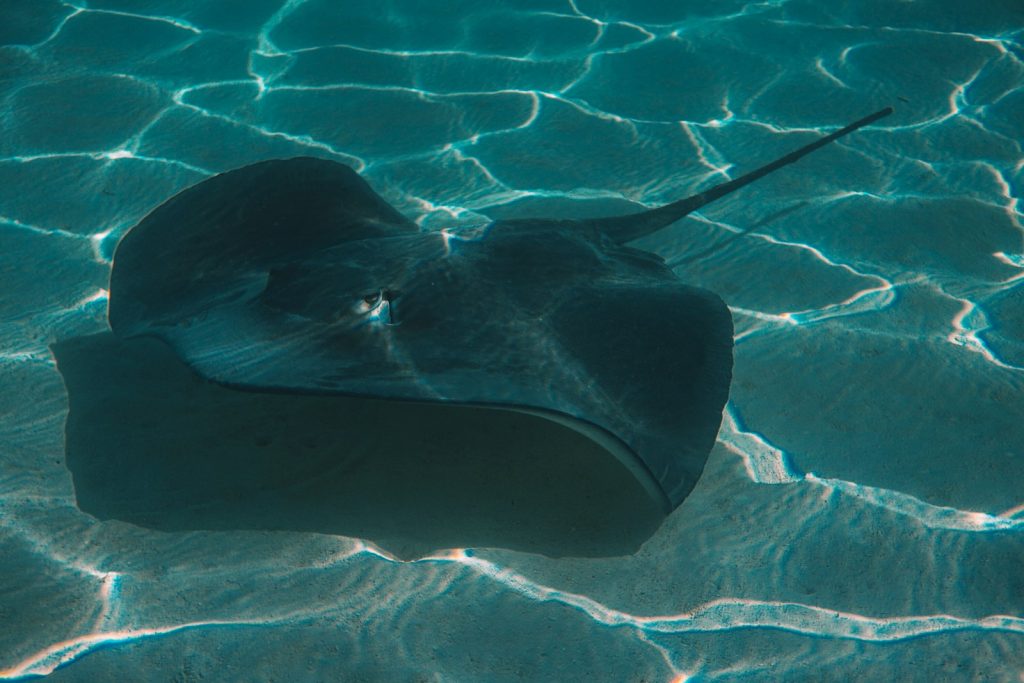
What to pack for Labuan Bajo is everything you need to be safe and comfortable on boats, islands and in strong tropical sun – without hauling your whole wardrobe. In this guide I’ll give you a clear, realistic Labuan Bajo packing list and Komodo packing list based on how people actually travel here: by boat, in heat, and often a little bit salty and sandy.
Quick overview: the non‑negotiables
If you remember nothing else from this page, make it these 10 items:
- Reef-safe sunscreen (SPF 30+)
- Wide-brim hat and good sunglasses
- Light long-sleeve layer for sun and evenings
- Water shoes or sturdy sandals for wet landings
- Dry bag for phone & camera on the boat
- Light rain jacket or poncho (especially Dec–Mar)
- Refillable water bottle
- Enough cash for park fees and small boats
- Seasickness remedies if you’re sensitive
- Power bank and necessary charging cables
Everything else is a bonus. The rest of this guide breaks things down by season, activity and type of trip so you can tune the details to your own plans.
Understand the conditions: why packing for Labuan Bajo is different
Labuan Bajo is the small port town that opens the door to Komodo National Park and western Flores. Most trips here involve some mix of:
- Island-hopping and snorkelling day trips
- Overnight liveaboard boats
- Short treks (Padar, Komodo, Rinca, local waterfalls)
- Wandering around town and the waterfront in the evening
Conditions to plan for:
- Heat and strong sun: Daytime highs commonly 30–32°C with high UV index on clear days.
- Boat spray, sand, salt: Your bag, shoes and clothes will likely get wet at some point.
- Simple infrastructure on islands: Jetty steps, basic toilets, limited shade on some beaches.
- Limited shops compared to Bali: You can buy basics in Labuan Bajo, but choice and sizing are narrower and imported brands are more expensive.
So your Labuan Bajo packing list should emphasise light layers, sun protection, things that dry fast, and items that handle being knocked around on boats.
Clothing checklist: how much and what kind
You don’t need a huge suitcase. Most people repeat outfits. The key is breathable fabrics and pieces that work on boats, in town and on modest village visits around Flores.
Core clothing list (3–5 day trip)
- 2–3 lightweight t‑shirts or short-sleeve tops
- 1–2 light long-sleeve shirts (for sun and evenings)
- 2 pairs of shorts (one that you don’t mind getting wet)
- 1 pair of long, light trousers or loose pants
- 1 casual dress or jumpsuit (optional, but handy for the evening)
- 1 pair of leggings or comfortable pants for travel days
- 2–3 sets of swimwear
- 5–7 sets of underwear (it’s humid; things don’t always dry overnight)
- 2–3 pairs of socks (more if you’ll trek inland in Flores)
- 1 light sweater or hoodie for windy evenings or strong AC
Fabrics that work here
- Quick-dry synthetics for boat days and swimming cover-ups.
- Cotton or linen blends for walking around town (pure heavy cotton can feel sticky in peak humidity).
- Rash guard or long-sleeve swim top if you burn easily or plan long snorkel sessions.
Respectful dress for cultural stops
In Labuan Bajo town, shorts and sleeveless tops are common. For village visits or churches/mosques elsewhere in Flores, pack:
- One top that covers shoulders and cleavage
- One bottom that covers knees (long skirt or pants)
- A light scarf or sarong you can use as extra cover
Footwear: what actually gets used
This is where people overpack. For most Komodo-focused trips, three pairs is the sweet spot.
Essential footwear
- Sturdy sandals or water sandals: Ideal for boat ladders, wet jetties and short walks. Choose something that can get fully wet and still be comfortable.
- Closed shoes or trainers: Good for Padar sunrise hike, visiting Komodo and Rinca, and any travel days that involve airports or buses.
- Water shoes (reef shoes): Optional but very useful. Protects your feet on rocky entries, hot sand and any shallow coral rubble near shore.
Heavy hiking boots are usually overkill unless you’re planning longer treks inland in Flores (e.g. around Bajawa or Ruteng).
Sun and reef-safe protection: non‑negotiable
The sun in Komodo feels fiercer than you expect, especially on white sand and from boat decks with reflection all around. Reef-safe products matter because you’ll be snorkelling over some of Indonesia’s healthiest coral.
Sun protection essentials
- Reef-safe sunscreen SPF 30+: Look for mineral formulas (zinc oxide, titanium dioxide) and avoid oxybenzone and octinoxate where possible.
- Face-specific sunscreen: Less likely to run into your eyes in the water.
- Wide-brim hat: Caps are fine, but a brim helps protect ears and neck on long boat runs.
- Polarised sunglasses: Reduce glare off the water and help you spot turtles and manta rays more easily.
- UPF long-sleeve rash guard or shirt: The most reliable way to stay burn-free during long snorkel sessions.
Why “reef-safe” is not always in shops locally
Labuan Bajo has several minimarkets and pharmacies, but choice can be limited and prices on imported sunscreen are high. If reef-safe sunscreen is important to you, bring enough from home to cover several applications a day.
Boat-day essentials: what to carry on deck
Most trips around Komodo involve small boats. Even if you book a larger liveaboard, you’ll still use dinghies for island landings. Organise your daypack so you can find what you need quickly on a moving deck.
Daypack checklist for each boat day
- Dry bag (10–20L): For phone, camera, small towel, sunscreen and a dry t‑shirt. This is one of the most useful items on any Labuan Bajo packing list.
- Lightweight backpack: If your dry bag is small, a simple backpack for extra clothes and snacks.
- Refillable water bottle: Many boats provide drinking water; having your own bottle cuts plastic use.
- Small quick-dry towel or sarong: For changing, shade or sitting on deck.
- Wet bag or extra plastic bag: For damp swimwear and towels on the way back to port.
- Power bank: Helpful on longer trips; charging on basic boats can be limited or shared.
- Snacks: Especially if you’re travelling with kids or prone to low blood sugar between snorkel stops.
- Light jacket or windbreaker: Early-morning runs and return legs can feel cool with wind.
For liveaboard stays
If you’re sleeping on a boat, add:
- Earplugs: For engine noise or early-rising neighbours.
- Eye mask: Cabins may not block sunrise light fully.
- Soft bag instead of hard suitcase: Easier to store under bunks and in smaller cabins.
Cash, cards and key documents
Labuan Bajo has ATMs and many hotels and larger restaurants accept cards. But you still need cash for several things around Komodo National Park and Flores.
Money to plan for
Exact numbers for park fees and local services change, but as a general approach:
- Bring cash for: National park fees, small boat payments, village donations, tips, simple eateries and roadside snacks.
- Carry a mix of denominations: Smaller notes are easier for local vendors to change.
- Don’t rely on one ATM: Machines can be empty or offline; withdraw when you see a working one.
Documents and backups
- Passport (and visa if required)
- Digital and paper copies of ID and travel insurance
- Printed or offline confirmations for tours and flights (phone signal can be patchy offshore)
- Local SIM card or eSIM if you want data in town
If you’d like tailored advice for your dates and budget, you can plan your trip with our team via email or WhatsApp – we’ll sanity-check what you’re packing against your actual route.
Health, meds and seasickness
There are clinics and a hospital in Labuan Bajo, but you’ll be far from them for much of your time in the national park. Pack a small, practical kit.
Personal medication
- Enough of any prescription meds for your whole trip, plus a few extra days in case of delays
- Copy of prescriptions if you carry anything that might raise questions at airports
Basic first-aid and comfort items
- Plasters/band-aids and blister patches
- Pain relief (paracetamol or ibuprofen)
- Antihistamine tablets or cream for bites and mild allergic reactions
- Antiseptic wipes or small bottle of antiseptic solution
- Rehydration salts (good after long hot days or stomach upsets)
- Travel-sized hand sanitiser and a few spare masks if you prefer them in crowds
Seasickness and motion sensitivity
Even on calm days, some legs around Komodo can feel rolly. Consider:
- Seasickness tablets you’ve used before and know your body tolerates
- Acupressure wristbands (some travellers swear by them)
- Ginger sweets or tablets as a mild, natural option
If you tend to get motion-sick, take your chosen remedy before boarding, not after you feel queasy.
Electronics and photography gear
You don’t need a full camera arsenal to enjoy Komodo, but a few small choices make a big difference for keeping electronics safe and powered.
Core electronics
- Phone (with waterproof case or kept in a dry bag)
- Universal adapter (Indonesia uses 220V, Type C and F plugs)
- Power bank (especially useful on boats and in older guesthouses)
- Charging cables for all devices (consider a spare phone cable)
For photos and underwater shots
- Small camera or action cam with waterproof housing
- Float strap for any device going near the water
- Extra memory card and battery
- Microfibre cloth to wipe lenses after salt spray
Many operators provide basic snorkel gear; if you are very particular about masks or fins, bring your own for comfort and better fit.
Eco-conscious extras: low-waste choices that help the islands
Komodo National Park is a protected area. Small choices in what you pack can reduce your footprint noticeably.
Simple swaps with big impact
- Refillable bottle: Use boat or hotel dispensers instead of buying multiple plastic bottles.
- Reef-safe sunscreen: Already mentioned, but worth repeating – it matters.
- Reusable shopping bag: Handy for markets, snacks and separating laundry.
- Solid toiletries: Bar shampoo/soap to reduce plastic, in a small travel tin.
- Own cutlery or straw (optional): Helpful if you avoid single-use items.
Whatever you bring in, aim to take back out, especially batteries and broken electronics that are harder to dispose of responsibly on small islands.
By season: adjust your Komodo packing list
The basics stay the same year-round. The fine-tuning changes with rain, wind and how busy it is.
- Dry season (roughly April–October)
- Hot, often drier; popular for marine trips. Prioritise sun protection, light fabrics, and a light windbreaker for mornings.
- Shoulder months (around April and October–early November)
- Transitional; can bring short showers and some humidity. Add a compact rain layer and an extra set of fast-drying clothes.
- Rainy season (roughly November–March)
- More frequent showers, especially December–February. Pack a decent waterproof layer, an extra pair of footwear in case one stays damp, and dry bags for everything critical.
Boat operations and sea conditions can shift by month, and some routes change plan on short notice for safety. Pack with a little flexibility in mind.
Packing for different trip styles
The right Labuan Bajo packing list looks slightly different for a family, a couple on a short break, and a solo traveller stretching a longer journey.
Families
- Extra snacks that your kids like and are used to
- Floaties or swim vests if your child isn’t confident in the water (check what your operator provides)
- Lightweight UV swimwear and hats for children
- Simple travel games or colouring pads for boat downtime
- Thermometer and any children-specific meds you rely on
Couples on a short escape
- One nicer outfit each for a dinner in town
- Compact camera or phone lens kit if you love photography
- Shared toiletries bag to cut duplication
- Small speaker or downloaded playlists for private cabins (respect quiet hours on boats)
Solo travellers
- Padlock for hostel lockers or shared-cabin bags
- Backup payment option (spare card kept separate)
- Offline maps and translation apps downloaded in advance
- Kindle or book for quiet evenings on deck
Carry-on vs checked: what to keep with you
On some routes into Labuan Bajo, luggage delays happen. Pack your carry‑on so that a missing bag for 24 hours is an inconvenience, not a crisis.
Keep these in your hand luggage
- Passport, cards, cash, and travel insurance details
- One change of clothes and underwear
- Basic toiletries (within airline liquid rules)
- Swimwear and a light cover‑up (so you can still join a boat day if bags are late)
- Any medication that is hard or impossible to replace quickly
- Electronics and chargers
Comparison table: nice-to-have vs must-have
| Item | Must‑have? | Why |
|---|---|---|
| Reef-safe sunscreen | Yes | Strong sun, long hours on water, protects skin and coral. |
| Dry bag | Yes | Keeps phone and valuables safe on wet boat decks. |
| Water shoes | Recommended | Makes rocky or hot beach entries much easier. |
| Snorkel set | Optional | Most operators include gear; bring your own if you care about fit. |
| Big camera with multiple lenses | Optional | Phone cameras are enough for many; bulk vs benefit is personal. |
| Heavy hiking boots | No (for park-only trips) | Trainers or light shoes are fine for Padar and Komodo treks. |
| Mosquito net | No | Most boats and hotels provide protection; check ahead if unsure. |
| Travel pillow | Nice-to-have | Comfort on flights and night boats, but not essential. |
What you can easily buy in Labuan Bajo (and what’s harder)
You don’t need to panic if you forget something. But some things are easier to replace than others.
Easy to find in town
- Basic toiletries (soap, toothpaste, cheap sunscreen, insect repellent)
- Simple clothing like t‑shirts, sarongs, hats and flip‑flops
- Snacks, water, soft drinks
- Simple phone accessories (cables, cheap cases)
Harder or pricier to replace
- Reef-safe sunscreen in specific brands
- High‑quality prescription goggles or glasses
- Specialised meds or specific contraceptive brands
- Camera batteries and proprietary chargers
- Plus-size or very small-size technical clothing
Last check: pack light, but not careless
The sweet spot is a bag you can carry yourself up a jetty ladder, but that still has what you need for comfort and safety. Before you zip up, lay everything out and ask:
- Do I have enough sun and reef protection?
- Can I keep my valuables dry on a moving boat?
- Do I have the meds and documents that would be hardest to replace?
- Am I okay carrying this bag up a few flights of stairs or across a beach?
If your answer is yes on all four, you’re already ahead of most first‑time visitors.
If you’d like help turning your packing list into an actual itinerary – choosing routes, boats and seasons – our team can help by WhatsApp or email. Start here: plan your trip. As always, no one can pay to change what we publish; if you proceed with our partner they may pay us a referral fee at no extra cost to you.
FAQs: What to pack for Labuan Bajo & Komodo
Do I need to bring my own snorkelling gear?
Most organised boat trips around Komodo include basic snorkel gear in the price, but quality and fit vary. If you snorkel often or have a smaller or larger face size, bringing your own mask and snorkel can be more comfortable. Fins are bulkier; many travellers are happy to use the fins provided on board.
Are drones allowed in Komodo National Park?
Rules and permit requirements for drones in Komodo National Park change periodically. In many cases you need prior permission from park authorities and sometimes additional permits for specific islands. Do not assume you can fly without clearance; check the latest regulations through your operator or directly with park management before packing a drone.
Is labuan bajo safe for my electronics and camera gear?
Labuan Bajo town is generally relaxed, but on boats and in shared spaces you should still use normal travel common sense. Keep cameras and phones in a dry bag near you, use cabin storage or a small lockable bag for valuables on liveaboards, and avoid leaving gear unattended on open decks or beaches.
What should I wear to see Komodo dragons?
For visits to Komodo or Rinca, wear closed shoes or trainers, light long trousers, and a breathable top. Many visitors also prefer a light long-sleeve shirt for extra sun and insect protection. Avoid bright red clothing, follow your ranger’s guidance, and skip strong perfumes or scented lotions that might attract insects.
Do I need a rain jacket in Labuan Bajo?
If you travel between roughly November and March, a light rain jacket or good-quality poncho is very useful for sudden showers and boat rides in wet conditions. In the driest months, many travellers still bring a compact windbreaker that doubles as a light layer for early morning or windy crossings, but a full heavy raincoat is usually unnecessary.