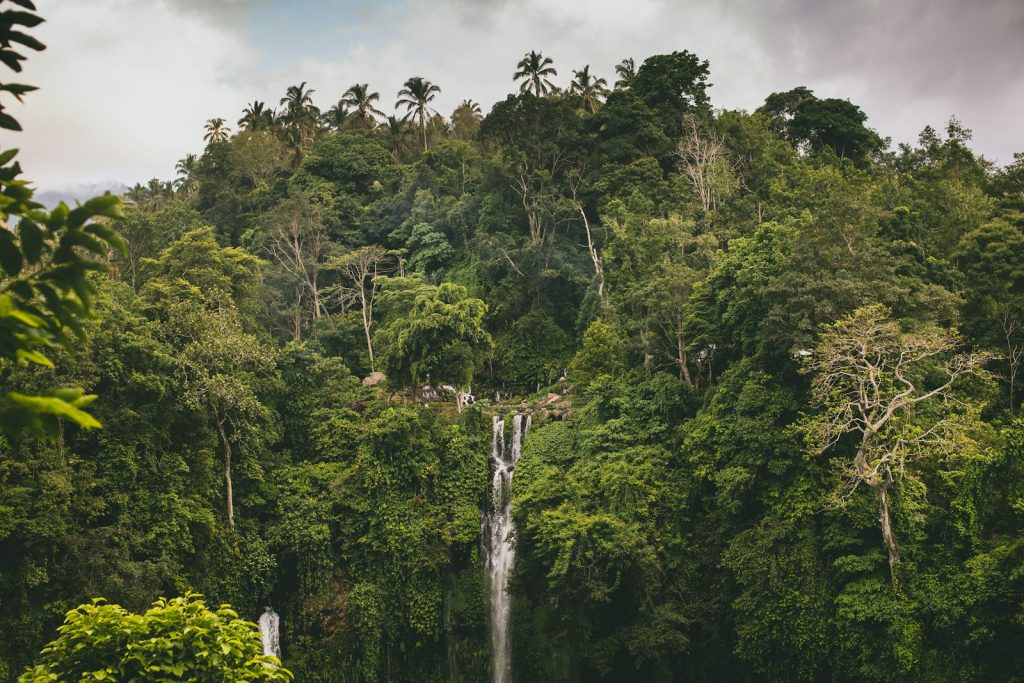
Cunca Wulang Waterfall is a canyon river system in the hills east of Labuan Bajo where you can hike in, swim, and (in the right season) jump from the cliffs into clear freshwater pools. The cunca wulang waterfall experience is a half-day or day-trip from town, mixing a short village walk with a jungle trail and a natural rock playground.
What Is Cunca Wulang Canyon, Exactly?
Cunca Wulang is a series of pools, narrow gorges and small waterfalls cut into volcanic rock roughly 30–40 km inland from Labuan Bajo. Most travelers talk about it as “Cunca Wulang Waterfall”, but the real magic is the canyon itself: steep rock walls, deep-green pools, and a kind of natural stone corridor upstream and downstream from the main falls.
This is not a single big vertical waterfall like Cunca Rami. Think more: river flowing through sculpted rock, with spots to jump, swim, and float, and a short rocky scramble to reach the best sections.
Where Is Cunca Wulang & How Far From Labuan Bajo?
Cunca Wulang sits in the Mbeliling area, inland from Labuan Bajo on the road toward Ruteng. You’ll pass small villages, rice fields and forest along the way.
Drive Time & Distance
From Labuan Bajo town to the Cunca Wulang starting village, plan on:
- Distance: roughly 30–40 km by road, depending on your starting point
- Drive time: usually 1–1.5 hours one-way in normal conditions
Road conditions are generally paved but patchy. Expect some potholes, occasional roadworks and slowdowns in villages. In heavy rain the last section can be muddy and slippery for motorbikes.
Self-Drive vs Car & Driver
You can reach this waterfall near Labuan Bajo by scooter or by car.
- Car with driver
- Most comfortable and safest option if you’re not used to Flores roads. Easy to add Cunca Wulang into a wider inland day-trip.
- Scooter rental
- Cheapest and most flexible, but you need solid riding skills, especially in the wet.
- Local ojek (motorbike taxi)
- Possible from Labuan Bajo or from junction villages inland, but you’ll need some basic Indonesian or help arranging it.
If you already plan to see inland Flores, Cunca Wulang slots nicely into a route toward Melo, Cancar or Ruteng as a swim stop.
The Hike: How Hard Is It & What to Expect?
From the parking area in the village to the canyon takes a short walk. It’s not a hardcore trek, but it is not a flat city park either.
Trail Overview
- Approx. hiking time: 20–40 minutes one-way depending on pace and exact access point
- Route: village paths, dirt tracks, steps, then rocky sections near the river
- Shade: mixed; you’ll get patches of sun and patches under trees
The trail usually starts gently through houses and small gardens. After leaving the village, you’ll follow a dirt path, then descend toward the river. Near the water, the path turns more uneven: rock steps, some big stone slabs, and short descents where you may use your hands for balance.
Once at the river level, guides often lead you over large boulders and along the rock edges to reach the best pools and jumping spots in the cunca wulang canyon. Expect to get your feet wet at some point.
Fitness Level Needed
You don’t need to be super fit, but you should be comfortable with:
- Walking up and down uneven dirt and rock paths
- Short, sometimes steep steps without handrails
- A bit of scrambling on rocks near the water
If you have knee issues, balance problems, or very young kids, tell your guide early. They can slow the pace and choose easier lines along the river, or you can decide to enjoy the first pools without pushing deeper into the canyon.
Swimming & Cliff Jumping at Cunca Wulang
Most people come to Cunca Wulang for one thing: to get into the water. The canyon is a natural playground, but conditions change with season and rain.
The Pools
In the drier months and stable weather:
- The water level usually drops and becomes clearer and calmer.
- You’ll see green-blue pools where you can swim, float or just sit half-submerged by the walls.
- Water temperature is fresh but comfortable after a hot walk.
In wetter periods or right after heavy rain:
- Water turns brownish from sediment and rises quickly.
- Current can become strong in narrow sections.
- Guides may restrict swimming or keep you to safer eddies.
There are usually a couple of main swimming basins where most visitors hang out. Depth varies by season and recent rainfall.
Cliff Jumps: Heights & Safety
Local guides know the traditional jump spots in the cunca wulang canyon. Typical jump ledges are carved into the rock at several heights above the water. Exact heights change slightly with water level, but common jumps are roughly:
- Lower ledge: about 2–3 m above the water surface
- Mid-level options above that, sometimes 4–5 m or more when safe
Before anyone jumps, your guide should:
- Check water depth and current in the landing zone that day
- Point clearly to the safe jump line and where not to leap
- Send one of your group or a local first to demonstrate the path and exit point
Cliff jumping here is optional. You can enjoy the place fully by just swimming and watching. If you do jump:
- Never jump without local guide approval for that exact spot and that exact day.
- Check your landing area yourself: look for rocks near the surface.
- Keep arms close to your body, feet together; enter vertically to avoid belly flops or awkward landings.
- Don’t mix alcohol with jumping.
Non-Swimmers & Cautious Swimmers
If you’re not a confident swimmer, you can still enjoy Cunca Wulang:
- Ask your guide to keep you in shallower eddies and close to easy exit points.
- Wear a life jacket if available (many local guides can arrange one on request).
- Use the rocks as natural seats; you don’t have to be in deep water.
Always tell your guide honestly how comfortable you are in the water before you start scrambling along the walls.
Seasonality: Best Time to Visit Cunca Wulang
Flores has a marked dry and wet season pattern, and Cunca Wulang feels very different in each.
| Season | Typical Months | What Cunca Wulang Is Like | Pros | Cons |
|---|---|---|---|---|
| Main dry season | Approx. May–September | Lower, clearer water; more stable river conditions. | Better swimming & jumping, easier trail, less leeches. | Can be hot; pools sometimes busier on weekends/holidays. |
| Shoulder months | Approx. April & October | Transitional, changing week by week. | Often a good balance of water level & greenery. | Unpredictable storms can change plans quickly. |
| Wet season | Approx. November–March | Higher, muddier water, stronger current. | Lush surroundings and more water volume. | Swimming/cliff jumping may be limited or unsafe on many days. |
Heavy local rain can change conditions in just a couple of hours. Even in dry season, a big storm upstream can raise water levels quickly. Guides will usually cancel or modify the trip if conditions look risky.
Fees, Guides & Local Access (Last Verified June 2026)
Access and fees at Cunca Wulang involve a mix of community contributions and guide arrangements. Exact structures change over time as the village and local authorities adjust their system.
Typical Cost Ranges
As of last verification (June 2026), plan for these kinds of costs per person for a visit to the cunca wulang waterfall and canyon area, excluding transport from Labuan Bajo:
- Entry / local contribution: commonly in the range of IDR 20,000–50,000
- Local guiding fee: often around IDR 100,000–250,000, depending on group size, route and negotiation
- Optional extras: life jackets, simple snacks or drinks may add modest extra costs
These are guideline ranges, not fixed prices. Structures can shift, and some visitors may be offered combined “package” rates. Always confirm clearly what is included before you start walking.
Do You Need a Guide?
Practically speaking, yes. Local guides perform several roles:
- Navigating the correct trail through village land
- Helping on tricky rock sections
- Assessing daily water conditions and closing unsafe jump spots
- Mediating with local community where needed
Attempting to access the canyon on your own risks getting lost, trespassing on fields, or entering unsafe sections of the river without local knowledge. Budget for the guide; it’s part of travelling responsibly here.
What to Bring to Cunca Wulang
You don’t need technical gear, but the right basics make a big difference.
Clothing & Footwear
- Footwear with grip – Trainers or walking sandals with good soles. Flip-flops are a bad idea on wet rock.
- Swimwear – Either worn under your clothes or in your bag to change into.
- Light quick-dry clothes – Shorts and a t-shirt are fine; avoid heavy cotton that stays wet all day.
- Optional rash guard or long-sleeve top – For sun and rock scrapes if you’re moving around a lot in the canyon.
Gear & Essentials
- Small backpack or daypack – Keep your hands free for the trail and scrambling.
- Dry bag or waterproof pouch – For your phone, money and anything that must not get wet.
- 1–2 liters of water per person – It’s hot, and there are no guaranteed shops on the trail.
- Snacks – Nuts, fruit, or simple biscuits; you’ll appreciate them after swimming.
- Sun protection – Hat, sunglasses, and reef-safe sunscreen.
- Basic first-aid – Plasters, antiseptic wipes for small rock cuts or scrapes.
Camera & Electronics
- Waterproof camera or action cam is ideal.
- If using a phone, keep it in a proper waterproof case and attach it to yourself to avoid drops into deep water.
Leave unnecessary valuables in your hotel in Labuan Bajo. On the rocks there’s always a small risk of things slipping into the water or getting kicked accidentally.
Safety: Risks & How to Manage Them
Cunca Wulang feels playful and relaxed, but it’s still a natural canyon environment. A bit of planning and attention goes a long way.
River & Weather Risks
- Flashy water level: The river can rise quickly after heavy rain upstream, even if the sky is clear where you are.
- Strong currents: Narrower slots can funnel water and create powerful flows or whirl zones.
- Slippery rocks: Algae, wet moss and smooth stone mean good grip and slow steps are essential.
How to handle it:
- Ask about yesterday’s and overnight rain before you commit to the canyon.
- Follow your guide’s instructions exactly—especially if they say “no jumping” that day.
- Use three points of contact on wet rocks and move deliberately, not rushed.
Medical & Rescue Considerations
Labuan Bajo’s medical facilities are limited compared with big-city standards. In the canyon there is:
- No formal lifeguard service
- No quick vehicle access right to the pools
- Mobile signal that can be patchy or absent in some spots
Local guides do know the terrain and can coordinate help, but expect that any evacuation is on foot and takes time. That’s exactly why conservative decisions about jumping and where to swim matter.
Insurance
Consider travel insurance that explicitly covers hiking and freshwater swimming, and check how it handles remote-area incidents. Read the fine print before you rely on it.
How to Structure Your Day Trip from Labuan Bajo
A visit to this waterfall near Labuan Bajo usually fills half a day to a full day depending on how relaxed you go and what else you combine it with.
Sample Half-Day Outline
- 08:00–08:30 – Leave Labuan Bajo by car or scooter.
- 09:30–10:00 – Arrive in the village, register, meet your local guide.
- 10:00–10:30 – Walk down to the canyon.
- 10:30–12:00 – Swim, explore the pools, rest on the rocks. Jumping only if conditions and your guide allow.
- 12:00–12:30 – Walk back up to the village.
- 12:30–13:30 – Drive back to Labuan Bajo for a late lunch.
If you like slower travel, turn it into a full day by:
- Adding coffee stops or viewpoints along the main road.
- Combining Cunca Wulang with a short village visit or rice-field walk in the area.
- Stopping for a local warung lunch inland before returning.
If you want help combining Cunca Wulang with Komodo boat days, inland villages, or other waterfalls, you can plan your trip with us via WhatsApp; we’ll help piece it together based on real-time conditions on the ground.
Comparing Cunca Wulang with Other Waterfalls Near Labuan Bajo
Labuan Bajo’s inland hills hide several waterfalls and swimming spots. Cunca Wulang is the most famous canyon-style one, but it’s not the only option.
| Place | Type of Experience | Approx. Travel Time from Labuan Bajo* | Best For |
|---|---|---|---|
| Cunca Wulang | River canyon, pools, light cliff jumps (in safe conditions) | ~1–1.5 hours by road, plus short hike | Active swimmers, groups of friends, mix of walk & play |
| Cunca Rami | Taller “classic” waterfall, forest hike | Longer inland drive; more committing walk | Those wanting a vertical fall and deeper forest feel |
| Local village pools & smaller falls | Shorter walks, more low-key | Varies; some closer, some further | Families, easy-going half days, less focus on jumping |
*Travel times are indicative and depend on roadworks, vehicle type and weather.
If your priority is the canyon-jump experience and a social, playful river day, choose Cunca Wulang. If you want a bigger waterfall backdrop and don’t mind a longer hike, Cunca Rami or others may fit better.
Local Etiquette & Environmental Tips
Cunca Wulang sits within village land and a wider forested area, not a sealed-off theme park. A bit of cultural and environmental awareness matters.
In the Village
- Dress modestly while still in the village: t-shirt and shorts are fine; avoid walking shirtless before the trail.
- Ask before taking close-up photos of people, especially children.
- Buy a drink or snack locally if possible—small purchases help spread the benefit of tourism.
At the Canyon
- Pack out all rubbish, including cigarette butts and fruit peels.
- Use biodegradable sunscreen if you can; it ends up in the same water everyone is swimming in.
- Keep noise reasonable. Echoes carry far in a narrow canyon.
This isn’t about strict rules; it’s about being the kind of guest who makes it easier for the community to keep sharing the place.
Can You Visit Cunca Wulang Independently or Via Tour?
You have three broad options for visiting cunca wulang waterfall and its canyon from Labuan Bajo.
1. Fully Independent (Scooter + Village Guide)
- Rent a scooter in Labuan Bajo.
- Ride to the Cunca Wulang area using offline maps and local signs.
- Pay village entry and hire a local guide on arrival.
Pros: maximum flexibility, usually lowest total cost if you’re comfortable riding.
Cons: need navigation skills, no pre-arranged backup plan if conditions are bad or things change.
2. Private Car & Driver + Local Guide
- Arrange a car and driver in Labuan Bajo for a day.
- Pay village fees and hire your local canyon guide as usual.
Pros: comfortable, safer in rain, easy to add other inland stops.
Cons: higher cost than scooter; you still coordinate details yourself.
3. Structured Day Trip with Support
- Arrange a day that includes transport, coordination with village, and timing advice based on current river and weather reports.
Pros: more predictable day, better chance of hitting good conditions and combining with other inland highlights. Useful if you have limited time or are travelling with kids.
Cons: less spontaneous; you commit to a plan ahead of time.
If you want help choosing the right style for your group and for the actual conditions during your stay, you can message us via WhatsApp through plan your trip and we’ll lay out current options, including non-canyon alternatives if the water is running too hard.
Is Cunca Wulang Right for You?
Choose Cunca Wulang if you:
- Enjoy fresh-water swimming and don’t mind scrambling over rocks.
- Are moderately fit and steady on your feet.
- Want a change from boats and saltwater during your Komodo days.
Maybe skip or rethink it if you:
- Have serious mobility issues or recent leg/ankle injuries.
- Have very young children you’d need to carry on a rough trail.
- Strongly dislike heights, uneven ground, or getting wet.
There’s no single “must-do” inland spot from Labuan Bajo. Think of Cunca Wulang as the playful canyon option in your wider menu of rice terraces, viewpoints, villages and longer forest walks.
Is Cunca Wulang safe?
Cunca Wulang can be enjoyed safely if you go with a local guide, respect river conditions, and avoid risky jumps. The main hazards are slippery rocks, sudden changes in water level after rain, and misjudged cliff jumps. There is no formal rescue service in the canyon, so conservative decisions are important.
Can you visit Cunca Wulang in the rainy season?
You can visit, but swimming and cliff jumping are often limited or cancelled after heavy rain due to high, fast and muddy water. In very wet periods, guides may advise skipping the canyon entirely and focusing on other inland activities instead.
Do you have to jump at Cunca Wulang?
No. Cliff jumping is completely optional. Many visitors simply swim, sit on the rocks, and enjoy the canyon scenery. Tell your guide from the start if you’re not interested in jumping so they can focus on calmer pools and safer areas.
How long do you need at Cunca Wulang from Labuan Bajo?
Allow at least half a day: around 1–1.5 hours each way by road, plus the hike and 1–2 hours at the canyon. If you like a slower pace or want extra stops inland, plan a full day.
Is Cunca Wulang suitable for children?
Older kids who are confident walking on uneven ground and comfortable in water often enjoy it. For younger children, steep steps, slippery rocks and deeper pools can be challenging. If you’re travelling with kids, discuss ages and abilities with your guide or trip planner beforehand.